
NEWS CENTER
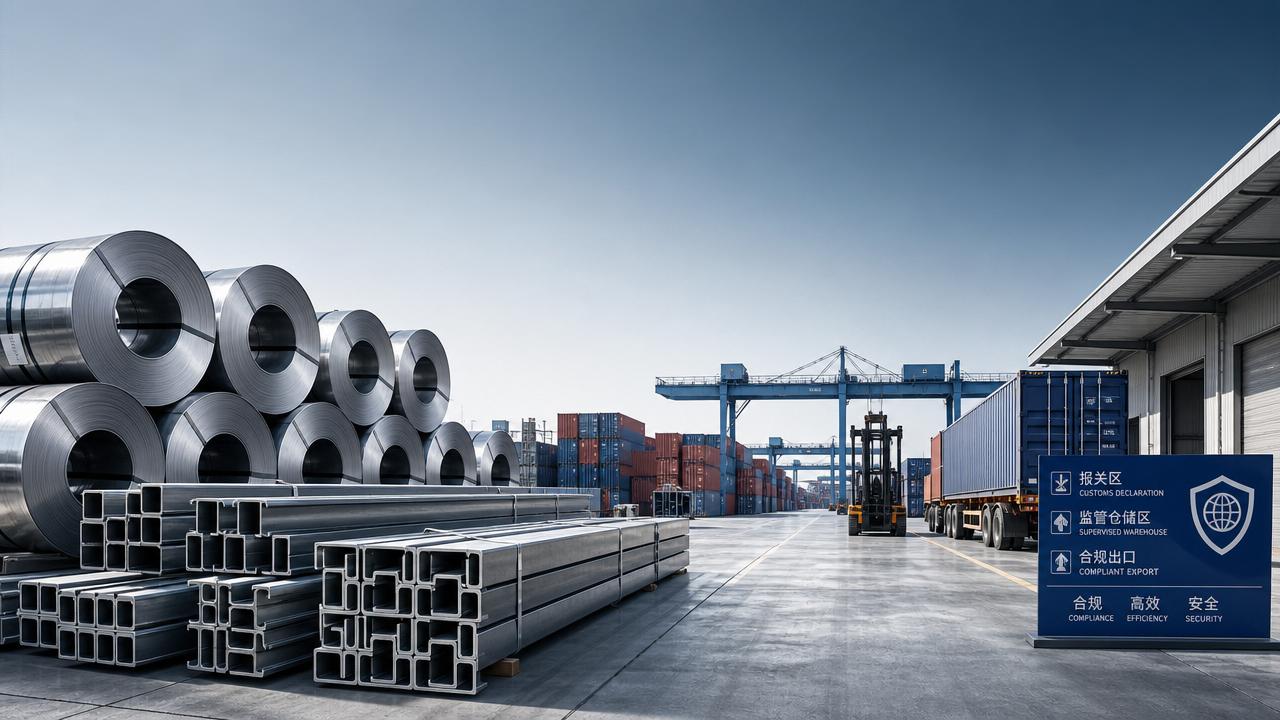
On 2026-06-14, Japan formally opened an anti-dumping investigation into hot-rolled steel products from mainland China, South Korea, and Taiwan. For companies involved in steel trading, procurement, processing, and cross-border delivery, this is not just a headline about trade friction; it is an active compliance and cost signal that may affect customs clearance, contract performance, and inventory planning during the investigation period.
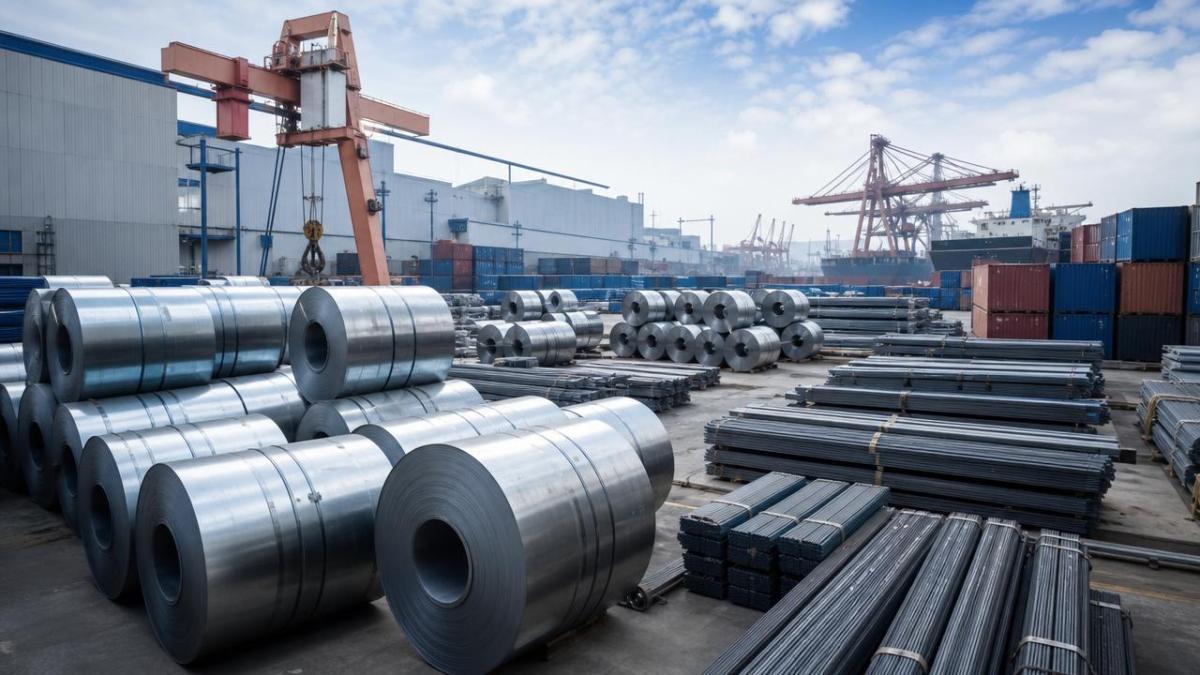
What has been formally initiated
Japan's Ministry of Economy, Trade and Industry formally accepted and opened a one-year anti-dumping investigation on 2026-06-14 covering hot-rolled steel products from mainland China, South Korea, and Taiwan. The case was jointly filed by four major Japanese steelmakers, including Nippon Steel and JFE. If the final determination supports the claim, high additional duties may be imposed on the products under investigation.
The development directly raises practical concerns for overseas distributors and other market participants because it can affect import clearance costs, the execution of purchase contracts, and stockholding decisions. The issue is especially relevant for traders in Southeast Asia and the Middle East that rely on Japanese-standard re-export arrangements or local processing linked to these supply flows.
Where the pressure is likely to emerge first
Import distribution and customs-facing trade operations
From an industry perspective, distributors and import-oriented trading companies are among the first groups that may feel the effect of the investigation. Their exposure is tied to customs cost uncertainty and to the possibility that future duty outcomes could alter the landed cost of affected material. What deserves closer attention is whether existing shipping schedules, declarations, and product documentation remain aligned with the risk profile created by the case.
Procurement teams managing delivery and contract commitments
Procurement functions may be affected because a pending trade remedy case can complicate delivery timing, pricing assumptions, and supplier negotiations. Analysis shows that companies with open contracts, fixed-price commitments, or downstream delivery obligations should pay attention to clause wording, allocation of tariff risk, and whether sourcing plans still match the expected cost and lead-time environment.
Processors and re-export business models using Japanese standards
Businesses that depend on Japanese-standard resale, onward trade, or local processing may face a more complex compliance review. Observably, the issue is not limited to the initial import decision; it can also reach documentation control, product traceability, and the commercial logic of holding or transforming inventory intended for third markets. This is particularly relevant where resale chains depend on predictable treatment at the border.
Supply-chain service providers supporting steel movement
Logistics coordinators, trade service providers, and other supply-chain intermediaries may also need to reassess their operational assumptions. The immediate concern is less about a confirmed final outcome and more about whether current file preparation, booking decisions, and customer communications adequately reflect an ongoing trade investigation that may influence cost, timing, and compliance expectations.
Practical checkpoints for companies now
Recheck product scope and supporting documents
Analysis shows that companies handling the affected hot-rolled steel flows should first review how products are described across contracts, shipping papers, technical documents, and customs-facing records. Where a business relies on specific standards, processing descriptions, or resale claims, consistency in documentation becomes more important during an active investigation period.
Review tariff risk allocation in active contracts
What deserves closer attention is how existing agreements address duty changes, investigation-related delays, or cost pass-through. If final measures are later imposed, contract performance disputes may become more likely where pricing, delivery, and liability terms were drafted without trade remedy risk in mind. At this stage, the key point is to review exposure, not to assume a final outcome.
Adjust inventory and sourcing assumptions carefully
Observably, inventory strategy is now part of compliance planning rather than a purely commercial question. Businesses with exposure to the investigated product flows may need to reassess stock timing, alternate sourcing discussions, and delivery sequencing. Because the investigation has been opened but not concluded, any response should be measured and tied to scenario planning rather than treated as a confirmed market reset.
Track official wording and downstream execution signals
The current case should also be monitored for changes in official language, practical enforcement signals, and how counterparties respond in procurement and tender documents. Since the input does not provide detailed execution rules, it is more appropriate to understand this as a stage that requires close follow-up rather than a completed rule framework with fully defined operating consequences.
Why this matters beyond the filing itself
From an industry perspective, this development is best read as an execution signal in trade compliance rather than merely a procedural announcement. The formal opening of a one-year anti-dumping investigation means affected businesses now have a live regulatory process to monitor. Analysis shows that the immediate significance lies in uncertainty management: customs cost assumptions, contract discipline, and sourcing decisions may all need closer internal review even before any final tariff decision is made.
It is also more appropriate to understand this as a rule dynamic that still requires observation. The investigation has started, but the final outcome and the exact downstream commercial effects are not yet settled in the facts provided here. That is why continued attention to official communications and market practice will matter more than broad conclusions at this stage.
How the market should read the current signal
The clearest industry takeaway is that a formal trade remedy process is now in motion and that affected companies should treat it as a present compliance issue, not a distant policy discussion. The event does not yet confirm final duties, but it does change the risk environment for importers, distributors, procurement teams, and businesses tied to Japanese-standard re-export or local processing models.
For now, the most balanced reading is that this is an active regulatory development with immediate operational relevance and uncertain final consequences. Companies do not need to assume a fixed end result, but they do need to monitor documents, contracts, sourcing choices, and delivery exposure more closely while the investigation proceeds.
Basis of this article and what still needs verification
This article is generated based on the user-provided news title, event date, and event summary. For events of this type, relevant source categories usually include official government announcements, trade or customs authority releases, industry association statements, standards-related documents, and reporting by established business media.
No specific official source link was provided in the input, so the exact official documentation still needs to be verified on an ongoing basis. Further observation should focus on later official statements, execution language, tender or procurement document changes, market feedback, and how affected companies implement compliance and supply-chain adjustments during the investigation period.

Fill in the information
NOW.
Our staff will contact you as soon as possible