
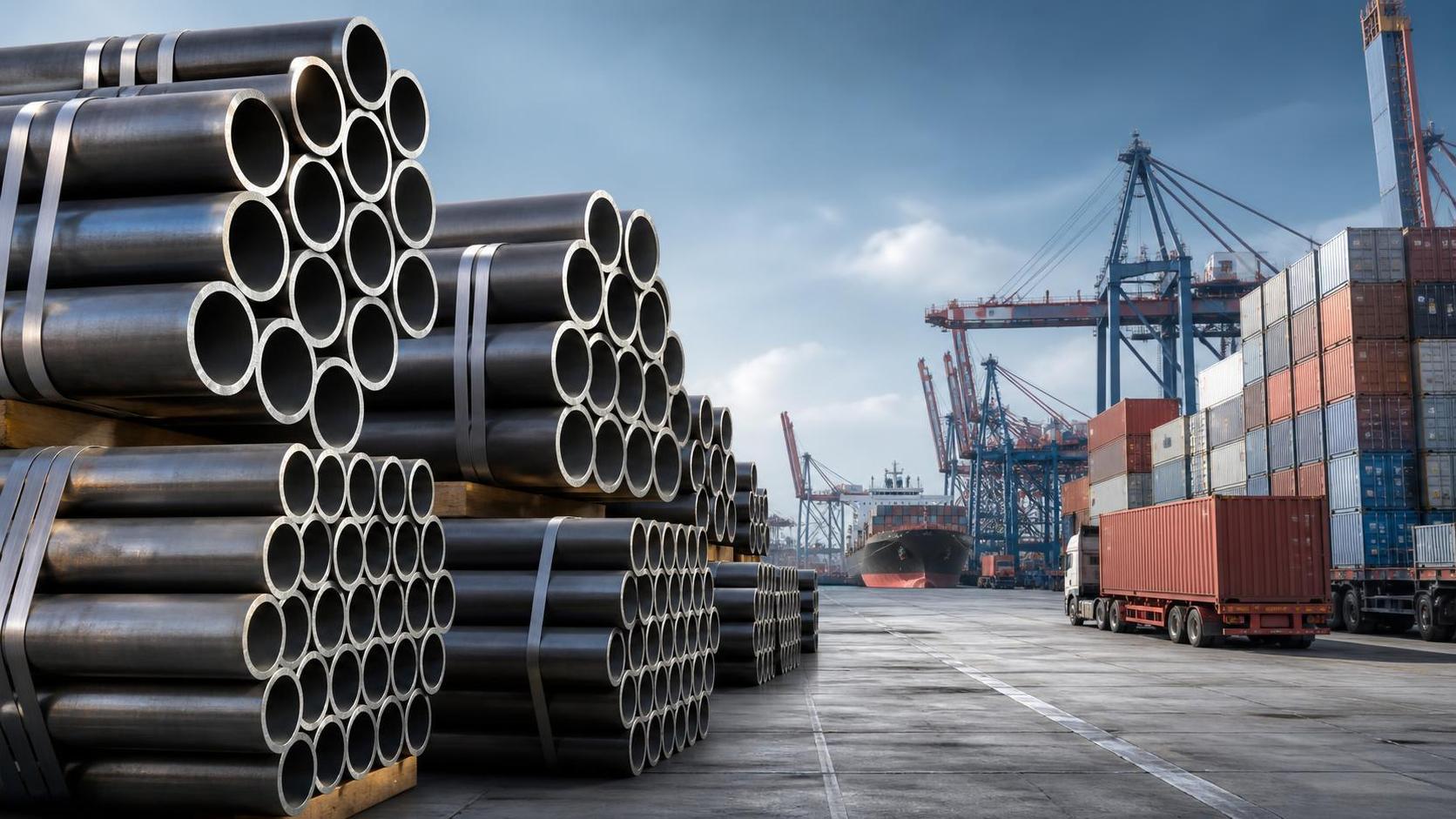
On August 3, 2026, the U.S. Department of Commerce opened the third sunset review of anti-dumping and countervailing duty orders on seamless carbon and alloy steel standard, line, and pressure pipe from China. What deserves closer attention is not only the review itself, but also the possible extension of the existing duties for another five years if the final outcome keeps the current tariffs in place, which would affect exporters, importers, pricing negotiations, compliance preparation, and shipment planning.
What the review covers
The announced review concerns seamless carbon and alloy steel standard pipe, line pipe, and pressure pipe imported from China. According to the notice, this is the third sunset review of the existing anti-dumping and countervailing duty measures. If the final review outcome maintains the duties, the current orders would be extended for another five years.
Where the business impact is likely to show up
Exporters negotiating access and price terms
For Chinese exporters of the relevant pipe products, the immediate issue is market access to the U.S. and how duty exposure will shape quotation strategy. Analysis shows that when a duty order enters another review cycle, pricing discussions, bid assumptions, and long-term contract terms may all need to be revisited with the tariff burden in mind.
Importers rechecking supply continuity
Overseas importers will need to reassess supply stability and customs clearance risk. From an industry perspective, the review raises practical questions around shipment timing, landed cost planning, and whether current sourcing arrangements remain workable under the same duty environment.
Document preparation and compliance handling
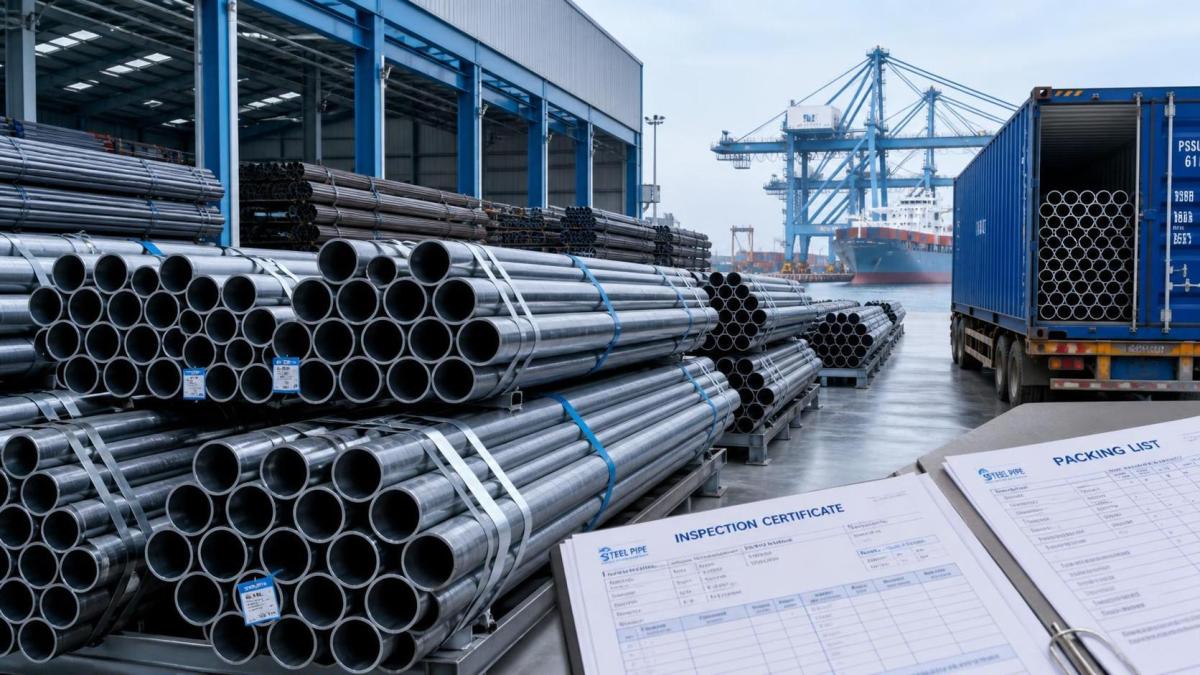
What deserves closer attention is the compliance side. The notice directly affects the preparation of supporting documents and other trade-related materials that can be required in transactions involving the covered products. Firms that handle declarations, classification support, or customs coordination may need to review their file readiness more carefully.
Longer-cycle orders and customer communication
For transactions tied to longer delivery windows, the review adds uncertainty to order discussions. Observably, that can affect how buyers and suppliers frame commitments, especially when contracts, forecast volumes, or reordering plans extend beyond the current review period.
What companies should track next
Follow the final review outcome, not just the announcement
The announcement itself confirms the review process has started, but it does not by itself determine the final tariff outcome. Companies should watch the subsequent official steps closely, because the business impact depends on whether the duties are ultimately maintained.
Separate policy signal from operational reality
It is more appropriate to understand this as a policy signal that can affect current decision-making, rather than as an immediate change in tariff treatment. The operational effect will depend on how counterparties respond in contracting, logistics, and customs preparation.
Check product scope and transaction exposure
Firms dealing in the covered pipe categories should confirm which product lines, customers, and shipment channels may be exposed. For day-to-day execution, the key point is not broad market commentary, but whether a specific transaction falls within the scope of the review and the existing duty orders.
How to read this development
Analysis shows that this is a meaningful trade-policy update for the seamless pipe segment, but it should not be read as a final result. It is better treated as an active review that may extend the current duty regime, keeping pressure on pricing, documentation, and supply-chain planning for both exporters and importers.
Source basis and follow-up
This article was prepared from the user-provided title, event date, and summary. Typical source types for this kind of update include official government notices, company announcements, industry association updates, standard-setting documents, and reports from authoritative media. The specific official source link was not provided in the input and should continue to be verified as the review proceeds.

Fill in the information
NOW.
Our staff will contact you as soon as possible