
NEWS CENTER
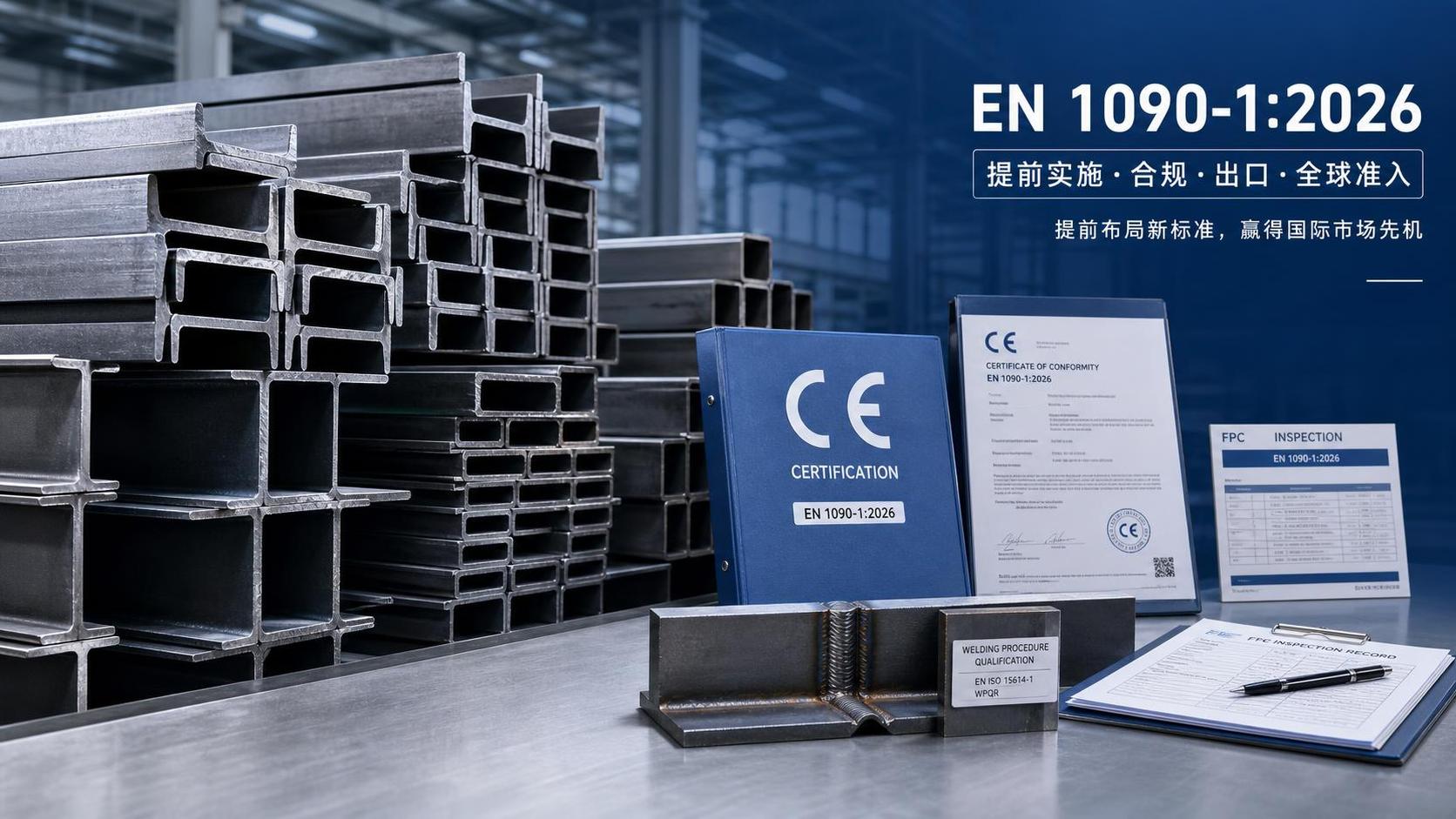
On July 27, 2026, the Official Journal of the European Union (OJEU) published the revised EN 1090-1:2026, moving the mandatory CE marking compliance date for steel structure manufacturers forward to October 1, 2026 from the previously planned March 2027 timeline. The change deserves close attention from steel structure manufacturers, steel section exporters, certification-related service providers, and buyers supplying the EU market, because it directly affects market access timing, qualification readiness, and certification scheduling.
What the revised standard confirms
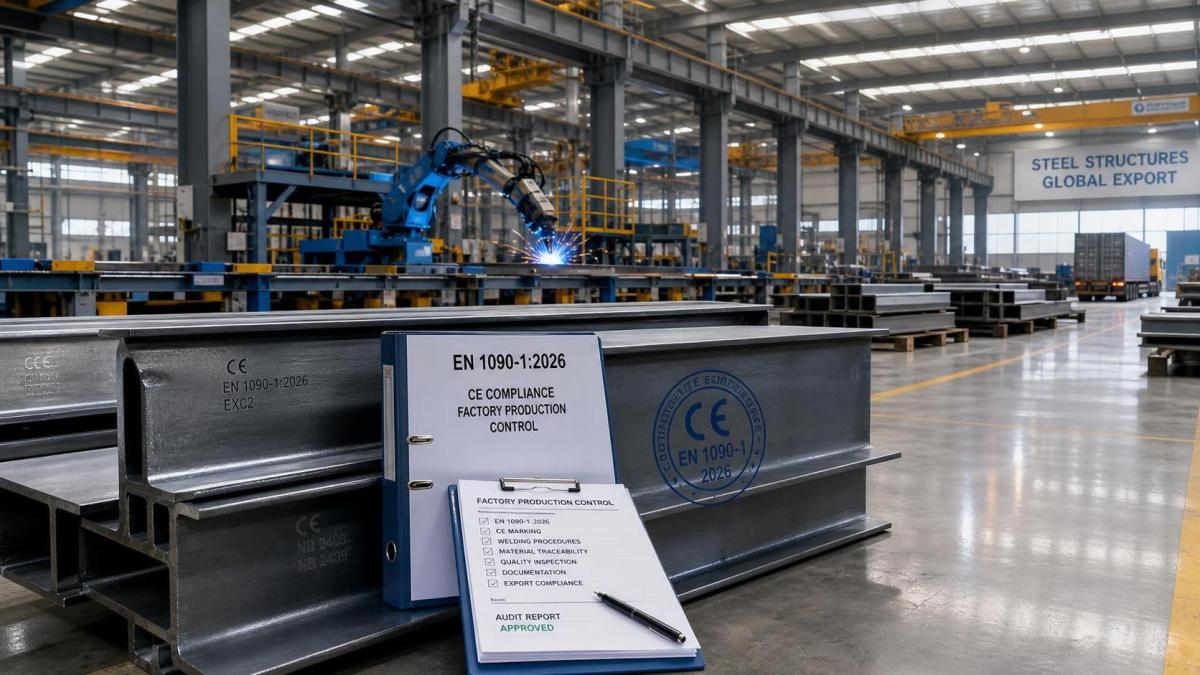
According to the information provided, OJEU released the revised EN 1090-1:2026 on July 27, 2026. The updated version advances the date when CE marking compliance becomes mandatory for steel structure manufacturers to October 1, 2026. The revision also strengthens requirements related to welding procedure qualification, factory production control (FPC), and the qualification standards applying to third-party certification bodies. The reported direct impact is on the market entry eligibility and certification cycle of Chinese exporters of steel sections supplying the EU market.
Where the immediate pressure is likely to appear
Export-facing manufacturers and suppliers
From an industry perspective, manufacturers and exporters serving EU-bound orders may be affected first because the earlier compliance date shortens the preparation window. The pressure is likely to show up in qualification readiness, internal document control, and alignment between production practices and CE marking requirements tied to the revised standard.
Certification and compliance coordination
What deserves closer attention is the certification process itself. Since the revision strengthens requirements for third-party certification body qualifications, businesses relying on external certification support may need to pay closer attention to certification scheduling, audit preparation, and the practical availability of qualified conformity assessment resources within the shortened timeline.
EU buyers and procurement-side decision makers
Buyers sourcing steel structures or steel sections for the EU market may also face a more immediate screening task. The main impact is likely to fall on supplier qualification checks, document verification, and delivery planning, especially where procurement decisions depend on confirmed CE compliance status within a fixed shipment window.
Supply chain and delivery management teams
Observably, supply chain service providers and internal delivery teams may need to track compliance milestones more closely because certification timing can influence shipment release, customer acceptance, and order sequencing. The earlier enforcement date raises the importance of coordination across production, certification, and export execution.
What companies should review now
Check whether current certification timelines still hold
The most practical issue is whether existing certification plans were built around the previously expected March 2027 date. Companies with pending EU-facing business should review whether their current readiness schedules remain workable under the October 1, 2026 deadline.
Focus on welding and FPC documentation quality
Because the revised standard strengthens requirements for welding procedure qualification and factory production control, companies should pay particular attention to whether their supporting records, internal controls, and production-related documents are complete, consistent, and ready for external review.
Reconfirm the status of third-party certification arrangements
Businesses that depend on outside certification bodies should verify whether those arrangements remain aligned with the revised qualification expectations mentioned in the update. This is especially relevant where certification timing affects export commitments or customer onboarding in the EU market.
Prepare for customer communication around access and lead times
Analysis shows that the policy signal and actual business execution may not move at the same pace. Exporters and suppliers should be ready to explain their certification progress, expected completion timing, and any potential effect on order acceptance or delivery schedules when communicating with EU customers and channel partners.
Why this should be read as more than a date change
This section is an editorial observation. It is more appropriate to understand this update not simply as a calendar adjustment, but as a tighter compliance signal around how market access will be judged for steel structure manufacturing linked to the EU market. The earlier effective date matters in the short term because it compresses preparation time. At the same time, the emphasis on welding qualification, FPC, and certification body requirements suggests that procedural quality and audit readiness are becoming central points of attention, rather than secondary formalities.
That said, this should still be treated as a development that requires continued monitoring. The confirmed facts establish the revised timing and the areas of strengthened requirement, but the practical effect on different businesses will depend on their current certification stage, export dependence on the EU market, and how quickly related compliance work can be completed.
How to interpret the development at this stage
At this stage, the most balanced reading is that the revised EN 1090-1:2026 creates a nearer compliance threshold for steel structure manufacturers supplying the EU market, with particular relevance for Chinese steel section exporters and the service chain around certification and delivery. It should be understood as an immediate operational issue with broader strategic implications, rather than as a fully settled long-term market outcome. The key point for industry participants is not only that the deadline has moved forward, but that qualification readiness and certification timing may now carry greater weight in day-to-day business decisions.
About the basis of this article
This article is based on the user-provided news title, event date, and event summary concerning the OJEU publication of the revised EN 1090-1:2026 on July 27, 2026. For developments of this kind, relevant source types usually include official notices, company statements, industry association updates, authoritative media reports, and standard-related documents. A specific official source link was not provided in the input, so the exact link still requires follow-up verification. Continued attention should be given to any subsequent official wording, implementation clarification, and how certification and market access practices develop in response to the revised timeline.

Fill in the information
NOW.
Our staff will contact you as soon as possible