
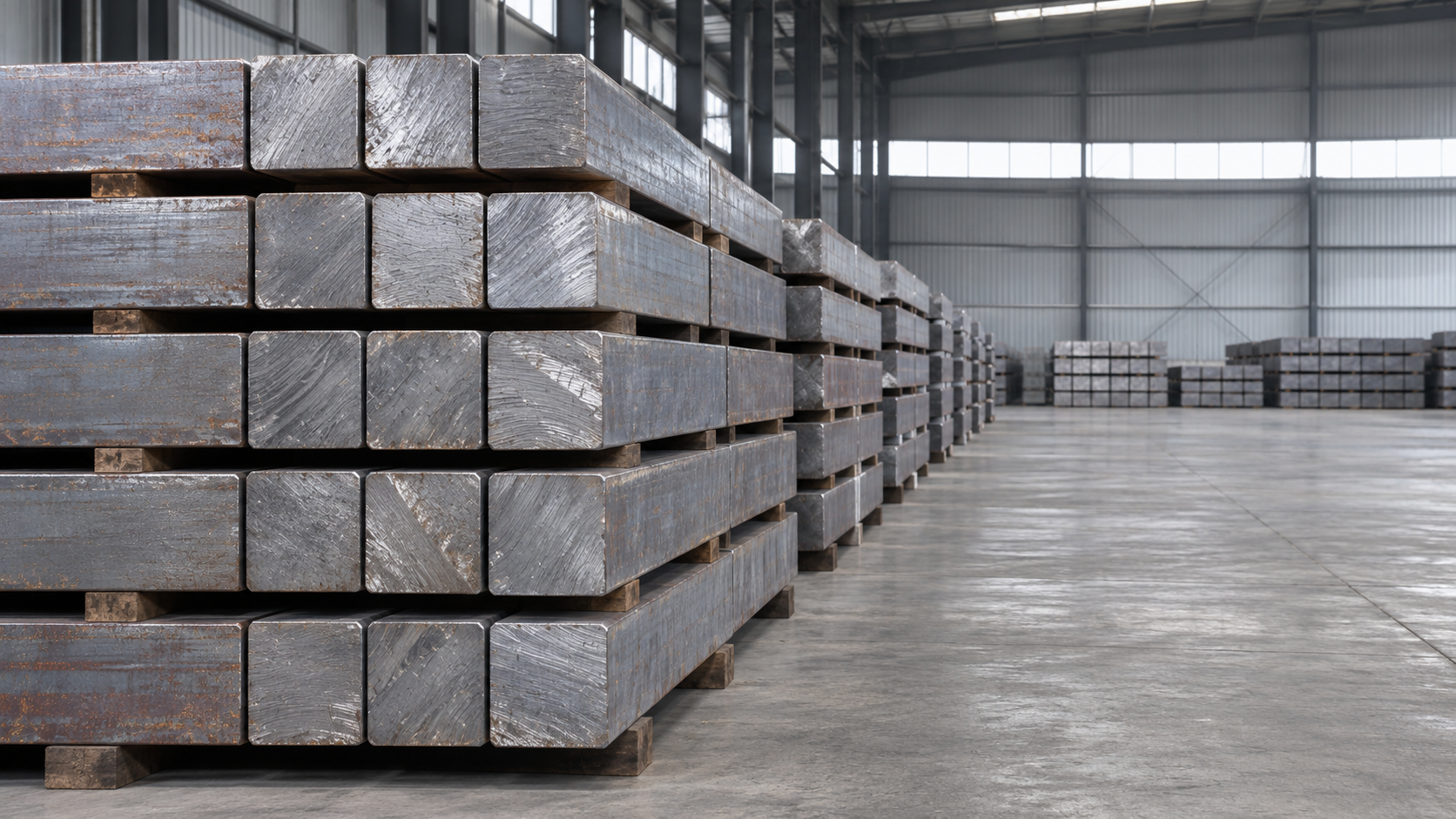
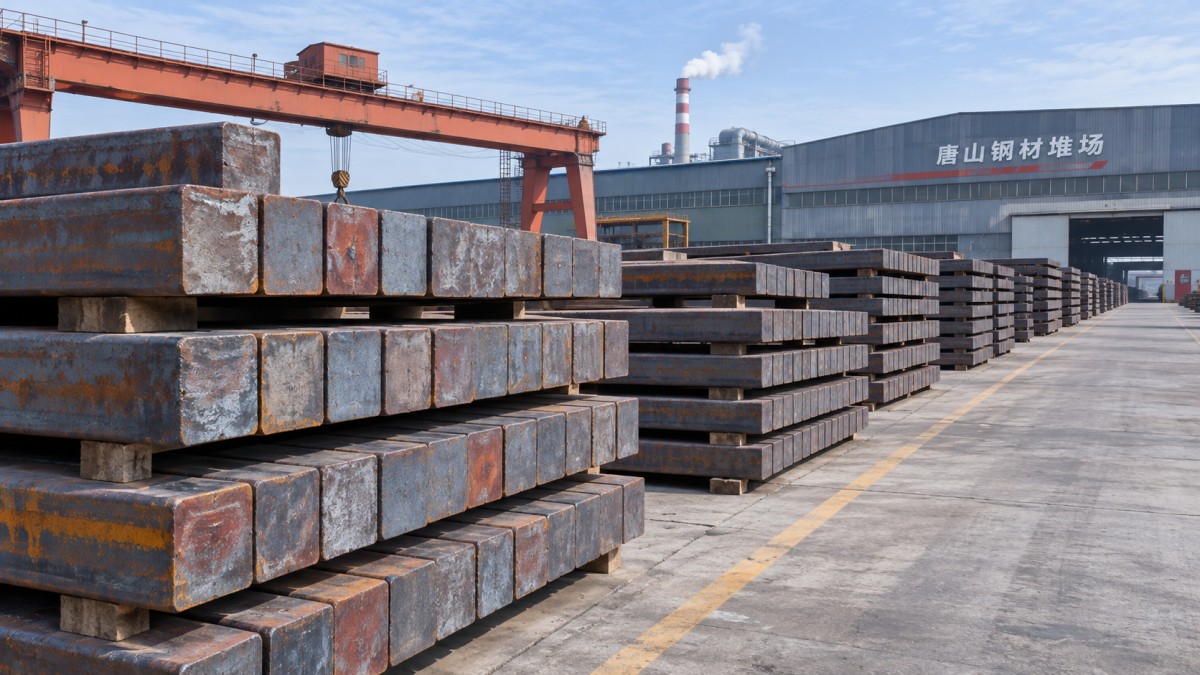
Steel prices in Tangshan were steady to lower on November 14, 2026, while billet inventories increased, pointing to a market in which prices may move within a narrow range in the near term. The local development followed a week of declines in average prices for two construction steel products across major cities.
As of November 13, the average price of 20 mm grade III seismic rebar in major cities was 3,295 yuan per metric ton, down 11 yuan per ton from the previous week. The average price of 8.0 mm HPB300 high-speed wire rod was 3,482 yuan per ton, a weekly decline of 14 yuan per ton.
What the price and inventory figures show
The national averages show modest week-on-week declines for both products. They describe price changes across major cities, rather than the price of every transaction or a specific quotation in Tangshan. The November 14 description of the Tangshan market is separate: some steel prices were steady and others fell, but the size of those local movements was not specified.
The increase in billet inventories adds another dimension to the picture. Billet is an intermediate steel product, so a buildup can be relevant to the material available for subsequent processing and sale. Whether it places sustained pressure on prices depends on how inventories change from here and how they relate to demand and supply. The reported increase alone does not establish the cause of the buildup or its likely duration.
Where the effects may appear first
For businesses buying or selling steel, the immediate question is whether the local weakness extends into further price adjustments. A buyer tracking rebar or wire rod may compare the national direction with the quotations available for the required product and location. A seller, meanwhile, may pay attention to whether stable prices can be maintained where other quotations have softened. The national averages provide context for those decisions, but they do not substitute for a specific transaction price.
Billet inventory movements may also matter to businesses involved in processing and trading the material. If stocks continue to rise, participants may become more sensitive to the balance between material available and purchasing needs. If the buildup eases, the pressure associated with accumulating stock could also diminish. Neither outcome follows automatically from a single reported increase.
The near-term outlook is therefore for possible narrow price adjustments, not a confirmed broader trend. The most useful developments to follow are subsequent changes in Tangshan steel prices and billet inventories, alongside the direction of the national rebar and wire rod averages. Together, those measures can help show whether the November 14 softness remains limited or becomes more persistent.

Fill in the information
NOW.
Our staff will contact you as soon as possible