
NEWS CENTER
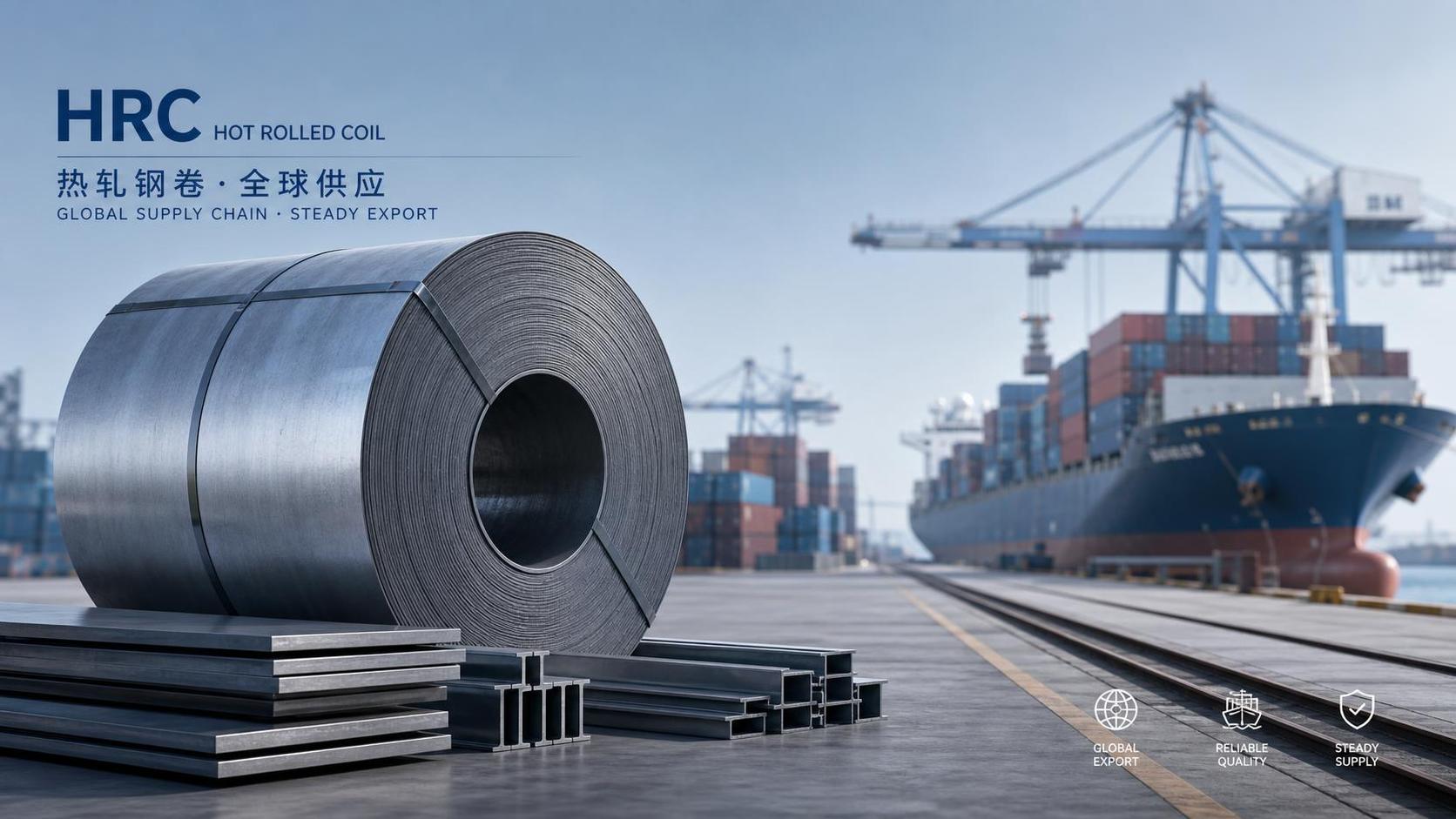
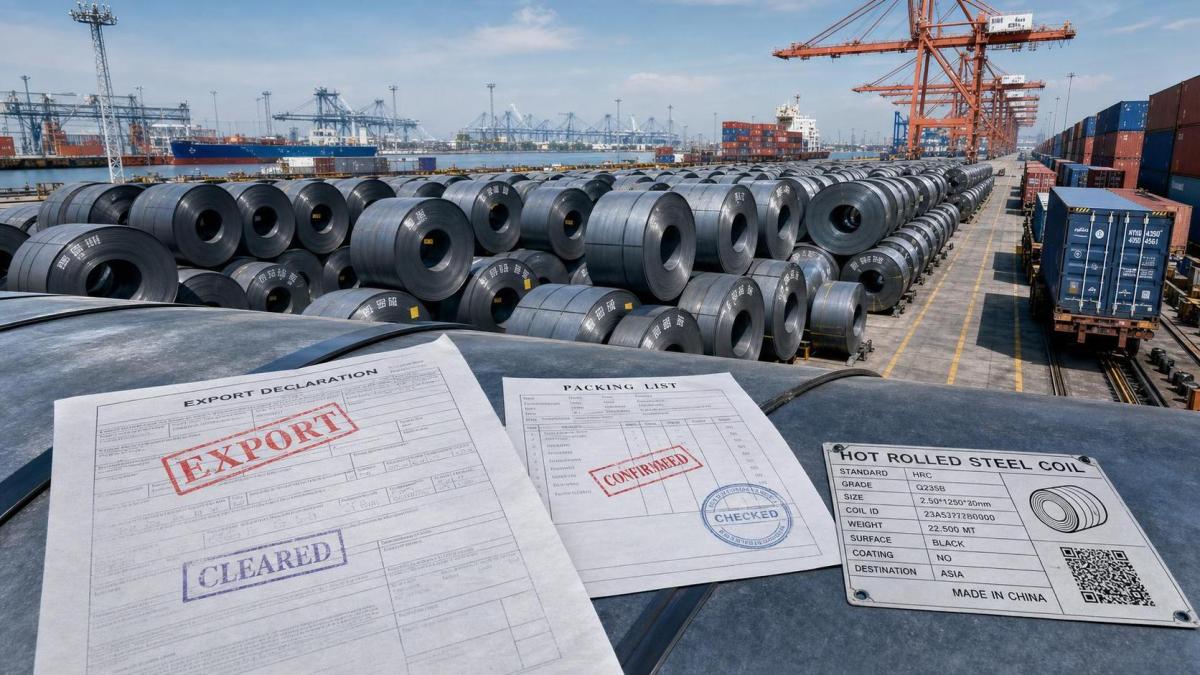
On July 18, 2026, the U.S. Department of Commerce began an expedited sunset review of the antidumping duty order on hot-rolled steel coil (HRC) from China and, at the same time, introduced a new filing requirement for imports into the U.S. Effective August 1, 2026, HRC shipments to the U.S. must include China Customs-certified statements covering origin and cost composition. For exporters, importers, North American distributors, and supply chain service providers, the development is worth close attention because it combines a trade remedy review with a near-term documentation change that may affect third-quarter shipment timing, customs handling, and supplier qualification checks.
What the DOC announcement confirms
The confirmed facts are limited but commercially significant. The DOC formally announced on July 18, 2026 that it had initiated the first expedited sunset review of the antidumping duty order covering HRC originating in China. The same update also revised importer declaration obligations for this product flow.
According to the information provided, from August 1, 2026, all HRC exported to the United States must be accompanied by statements on origin and cost composition that are certified by China Customs. The information provided also states that this review will directly affect procurement timing for North American distributors, customs clearance efficiency, and the standards used in supplier qualification review.
Where the pressure is likely to appear first
Export transactions may face tighter document coordination
From an industry perspective, direct trading companies handling HRC shipments to the U.S. may feel the impact first because the new requirement is tied to shipment documentation. The main exposure is in export preparation, document completeness, and coordination between commercial teams and customs-related functions. What deserves closer attention is whether document readiness can match shipment schedules in Q3.
North American buyers may adjust purchasing rhythm
Analysis shows that distributors and import-side buyers in North America may revisit purchasing cadence, not necessarily because the outcome of the review is already known, but because filing obligations are changing on a defined date. The likely impact area is order scheduling, customs timing expectations, and the screening of supplier document capability before purchase commitments are finalized.
Customs and logistics service providers may see more compliance-sensitive handling
For customs brokers, freight coordinators, and other supply chain service providers, the issue is operational rather than theoretical. If origin and cost composition statements become a required part of import files from August 1, then shipment handling, pre-clearance checks, and exception management may need closer coordination. Observably, even where cargo movement itself does not change, document-sensitive workflows can still affect delivery timing.
Supplier approval standards may become more document-driven
For procurement teams and downstream manufacturers relying on imported HRC, the immediate concern is not only price or supply continuity, but whether suppliers can satisfy the updated documentary expectation in a consistent way. The practical impact may show up in qualification review, contract documentation, and communication with customers that require predictable delivery windows.
What companies should watch in practice
Separate the review process from the filing deadline
One practical point is to distinguish between two developments that are happening together. The sunset review is a policy process, while the August 1 document requirement is an operational obligation with direct execution consequences. Companies should avoid treating them as the same issue when planning shipments, compliance steps, or customer communication.
Check whether current document flows can support certified statements
What deserves closer attention is whether existing export and import documentation workflows can support China Customs-certified origin and cost composition statements for all HRC shipments to the U.S. This is especially relevant for teams managing multiple counterparties, because gaps often appear at handoff points between supplier, exporter, broker, and importer.
Review Q3 delivery commitments and customs assumptions
Analysis shows that businesses with near-term delivery obligations may need to reassess whether current timelines still reflect the updated filing condition. The key issue is not to assume delay as a fact, but to recognize that customs handling and release timing can become more sensitive when new compliance materials are required.
Revisit supplier screening criteria
For importers and distributors, supplier qualification may now need to place greater emphasis on documentary reliability. In practical terms, that means checking not only product supply capability, but also whether counterparties can produce compliant origin and cost composition materials in time for shipment and entry filing.
How this should be read at this stage
Observably, this development should not yet be read as a final market outcome. The confirmed event is the launch of a review and the introduction of a new import documentation requirement from a specified date. It is more appropriate to understand this as a near-term operational change combined with a policy signal that still requires continued monitoring. From an industry perspective, the immediate consequence is procedural and timing-related, while any broader commercial implications depend on subsequent official developments that are not provided in the current information set.
Why the market is paying attention now
The reason this item matters is that it sits at the intersection of trade compliance and shipment execution. Even without adding unverified assumptions about pricing or final policy direction, the current facts are enough to suggest that exporters, importers, distributors, and service providers should treat Q3 planning with more care. It is more appropriate to understand this update as an active compliance and delivery issue in the short term, and as a policy development that still needs further observation over time.
Basis of this article and points for follow-up
This article is based on the user-provided news title, event date, and event summary. For developments of this type, relevant source categories typically include official government notices, company disclosures, industry association updates, authoritative media reports, and standard or customs-related documentation. The specific official source link was not provided in the input, so continued verification remains necessary. Follow-up attention should focus on any subsequent official wording, implementation details related to the filing requirement, and any further clarification affecting customs handling, supplier qualification, or shipment execution.

Fill in the information
NOW.
Our staff will contact you as soon as possible