
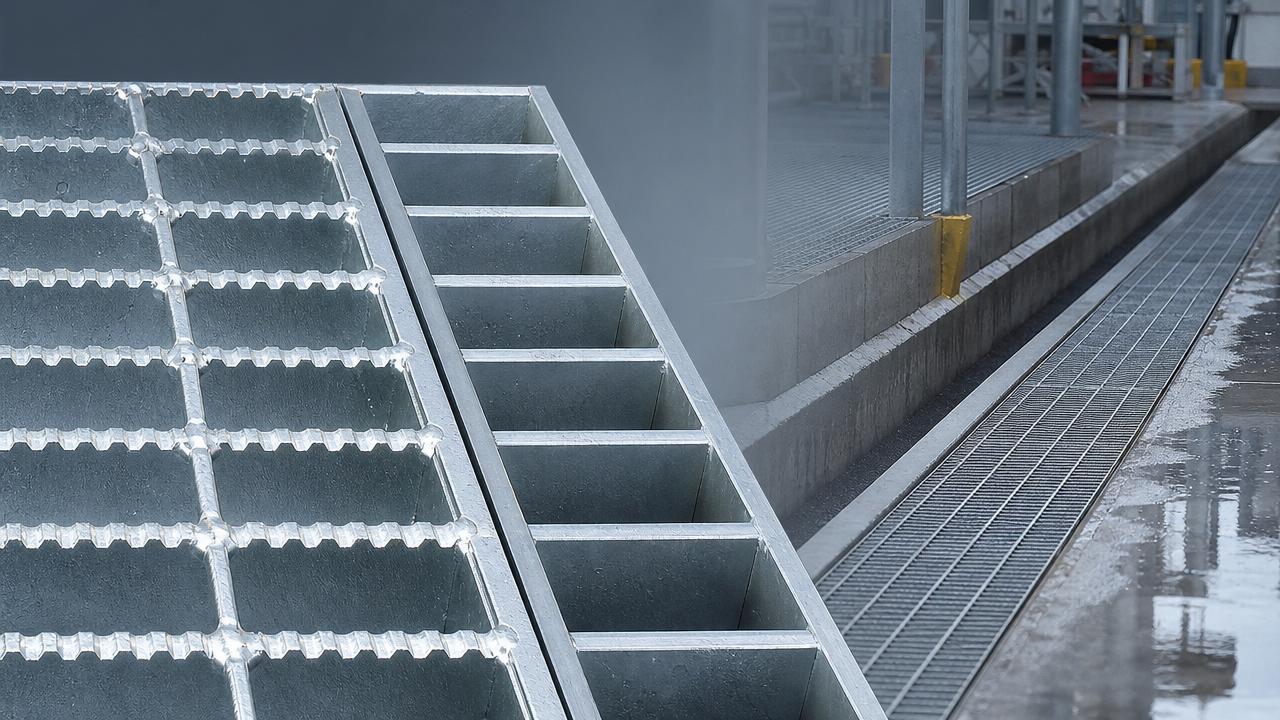
Which is Safer, Serrated or Smooth Surface Steel Grating?
When evaluating walkway, platform, or drainage cover materials, one common question is: serrated vs smooth surface steel grating which is safer?
The answer depends on the working environment, slip risk, load requirements, and maintenance conditions.
Serrated steel grating is often preferred in wet, oily, or outdoor areas because its toothed surface improves traction.
Smooth surface grating may suit dry, controlled spaces where walking comfort, rolling movement, and easy cleaning matter more.
This guide compares both options and gives a practical checklist for safer steel grating selection.
Why Safety Should Be Checked Before Selecting Steel Grating
Steel grating is used on industrial platforms, stair treads, trench covers, catwalks, mezzanines, and drainage channels.
Its surface condition directly affects slip resistance, worker movement, load stability, and long-term maintenance safety.
That is why serrated vs smooth surface steel grating which is safer cannot be judged by appearance alone.
A safer choice starts with site conditions, not only product price or standard stock availability.
Checklist-based selection reduces mistakes when grating is exposed to water, oil, dust, slope, vibration, or heavy traffic.
Core Safety Checklist for Serrated vs Smooth Steel Grating
Use the following checklist before deciding serrated vs smooth surface steel grating which is safer for a specific project.
- Assess surface moisture first, because rain, washdown water, condensation, and drainage overflow greatly increase slip risk on smooth bearing bars.
- Check for oil, grease, mud, or chemical residue, since serrated grating usually offers better shoe grip under contaminated conditions.
- Confirm walking direction and traffic frequency, especially where operators turn, climb, carry tools, or move between different floor elevations.
- Evaluate load requirements carefully, because surface type does not replace correct bearing bar depth, thickness, spacing, and span design.
- Review footwear compatibility, as serrated teeth improve traction but may feel less comfortable for thin soles or frequent kneeling tasks.
- Inspect cleaning methods, since smooth grating is easier to wipe, while serrated notches may trap sludge, scale, or fine debris.
- Consider corrosion protection, including hot-dip galvanizing, stainless steel, or painted finishes based on moisture and chemical exposure.
- Verify edge treatment and fixing clips, because unsecured panels can shift and create a greater hazard than surface texture alone.
- Compare stair tread needs separately, as nosing, serration, pitch, and visibility strips often matter more on steps than platforms.
- Document site hazards before ordering, so grating type, material grade, mesh size, and finish match the actual operating environment.
Serrated Steel Grating: When It Is Usually Safer
Serrated steel grating has notched or toothed bearing bars designed to improve anti-slip performance.
It is commonly used where surfaces become wet, oily, icy, dusty, or exposed to outdoor weather.
In many industrial areas, serrated vs smooth surface steel grating which is safer often points toward serrated grating.
Typical applications include offshore platforms, chemical plants, food washdown zones, power plants, ramps, and exterior stair treads.
Key advantages of serrated grating
- Improve grip under wet or oily conditions where standard flat surfaces may become slippery.
- Increase foot stability on outdoor walkways, maintenance platforms, access bridges, and industrial stairs.
- Support safer movement in areas where water, sand, scale, or process residue can accumulate.
- Reduce slip potential when workers carry equipment and cannot focus fully on each step.
However, serrated grating is not automatically the safest option for every site.
The teeth can collect debris and may require more frequent cleaning in muddy or sticky environments.
Smooth Surface Steel Grating: When It May Be Safer
Smooth steel grating uses flat bearing bar tops without serrations.
It can be safer in dry, controlled, indoor areas where the main concern is stable and comfortable walking.
For clean workshops, equipment rooms, storage mezzanines, and light maintenance floors, smooth grating may perform well.
In these cases, serrated vs smooth surface steel grating which is safer depends on contamination probability.
Key advantages of smooth grating
- Provide easier cleaning where dust, packaging waste, or dry particles must be removed quickly.
- Offer better comfort for long walking routes in dry indoor areas.
- Reduce snagging risk for hoses, light carts, and certain maintenance tools.
- Suit controlled areas where liquid spills are rare and housekeeping is consistent.
Smooth grating becomes less suitable when water, oil, frost, or powder changes surface friction.
If these risks are likely, serrated grating or another anti-slip solution should be reviewed.
Comparison Table: Serrated vs Smooth Surface Steel Grating
This comparison shows why serrated vs smooth surface steel grating which is safer needs context.
The safest grating surface is the one matched to real operating conditions.
Application Notes for Common Steel Grating Scenarios
Outdoor walkways and platforms
Outdoor grating faces rain, dew, frost, dust, and changing footwear conditions.
Serrated grating is usually safer here, especially on elevated access platforms and long maintenance walkways.
Industrial drainage covers
Drainage covers are often exposed to water, sediment, and occasional chemical residue.
If foot traffic is frequent, serrated grating normally provides better traction than smooth grating.
Dry indoor mezzanines
Dry mezzanines may prioritize comfort, cleaning, ventilation, and load transfer.
Smooth grating can be suitable if spill control and housekeeping procedures are reliable.
Stair treads and ramps
Stairs and ramps increase slip risk because foot pressure changes during climbing and descending.
Serrated stair treads with proper nosing are usually safer in demanding steel structure projects.
Commonly Overlooked Risks
Ignoring span and load rating: Surface texture improves traction, but it does not correct undersized bearing bars or excessive unsupported spans.
Using one grating type everywhere: A project may need serrated grating outdoors and smooth grating in dry indoor service zones.
Forgetting drainage direction: Poor drainage can make smooth grating unsafe and can also clog serrated areas with residue.
Skipping fastening checks: Loose grating panels, missing clips, or uneven supports create trip hazards even on high-traction surfaces.
Overlooking maintenance access: Serrated grating may need brushing, pressure washing, or scheduled inspection when used in dirty environments.
Practical Selection Steps
- List all liquids, oils, dust, chemicals, and weather factors that may contact the grating surface.
- Mark high-risk movement zones, including stairs, ramps, turning points, loading areas, and inspection routes.
- Choose serrated grating where slip risk is high, especially in wet, oily, outdoor, or inclined locations.
- Choose smooth grating only where conditions are dry, clean, controlled, and regularly maintained.
- Confirm steel grade, bar size, mesh spacing, finish, fixing method, and applicable safety standards.
- Review the final layout with drainage, cleaning access, and replacement needs before fabrication.
For critical access areas, request sample panels or friction data before placing a bulk steel grating order.
A small field check can prevent costly replacement after installation.
Summary and Action Guide
So, serrated vs smooth surface steel grating which is safer?
Serrated steel grating is generally safer for wet, oily, outdoor, sloped, or heavy-use industrial areas.
Smooth surface steel grating may be safer for dry, clean, controlled spaces requiring comfort and easier cleaning.
Before selection, document site hazards, confirm load requirements, and match the surface to actual working conditions.
For the safest result, compare serrated vs smooth surface steel grating which is safer by application, not by appearance.
Then specify the correct bar size, material, finish, spacing, edge treatment, and fastening system for reliable performance.

Fill in the information
NOW.
Our staff will contact you as soon as possible