
NEWS CENTER
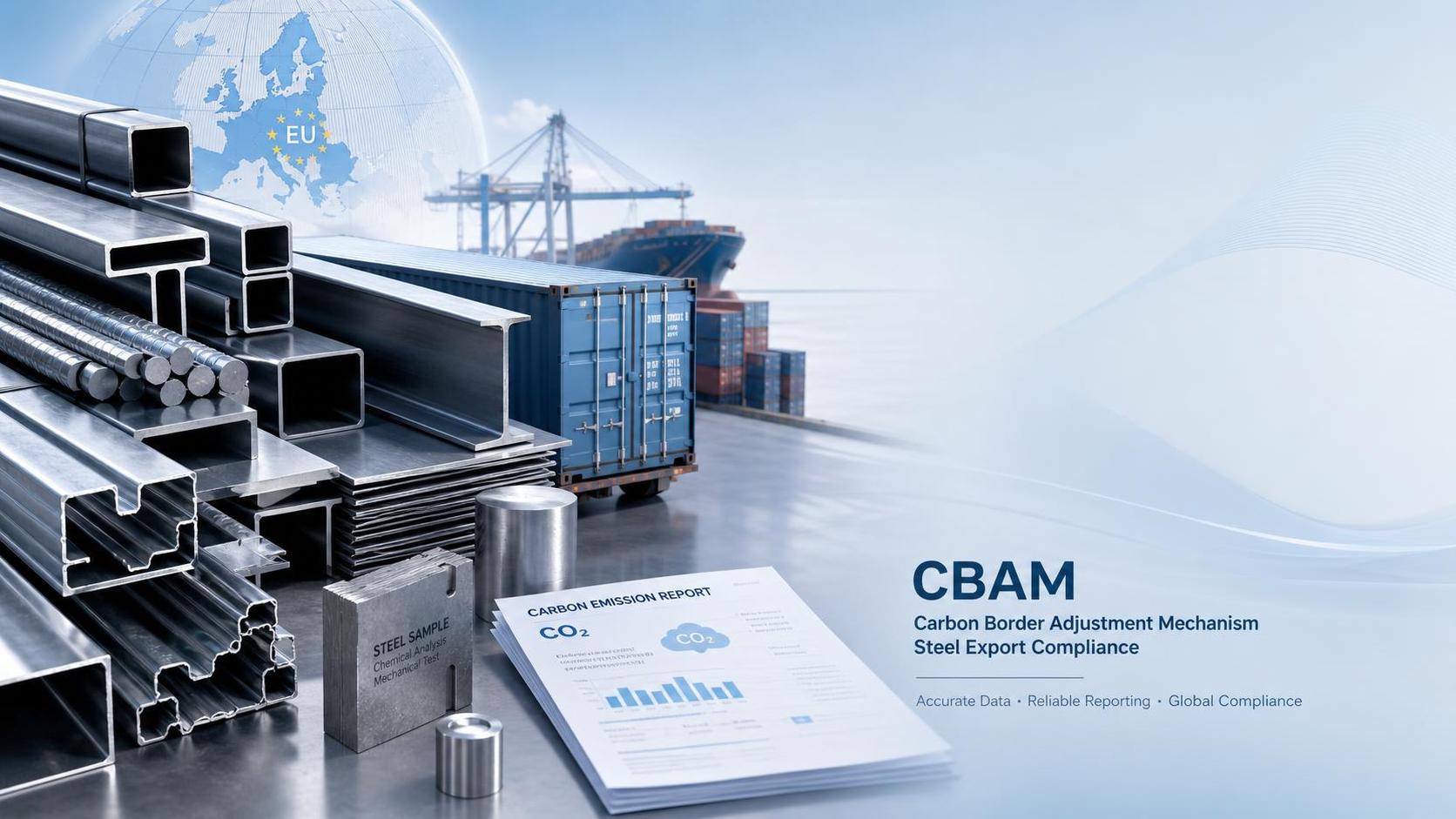
From August 1, 2026, the EU’s CBAM transitional reporting requirements for steel products formally take effect, bringing hot-rolled sections, cold-formed profiles, and other key export categories into quarterly carbon disclosure. For Chinese steel and profile exporters serving the EU market, this is not only a compliance update but also a practical issue for customs clearance, market access, delivery timing, and customer coordination.
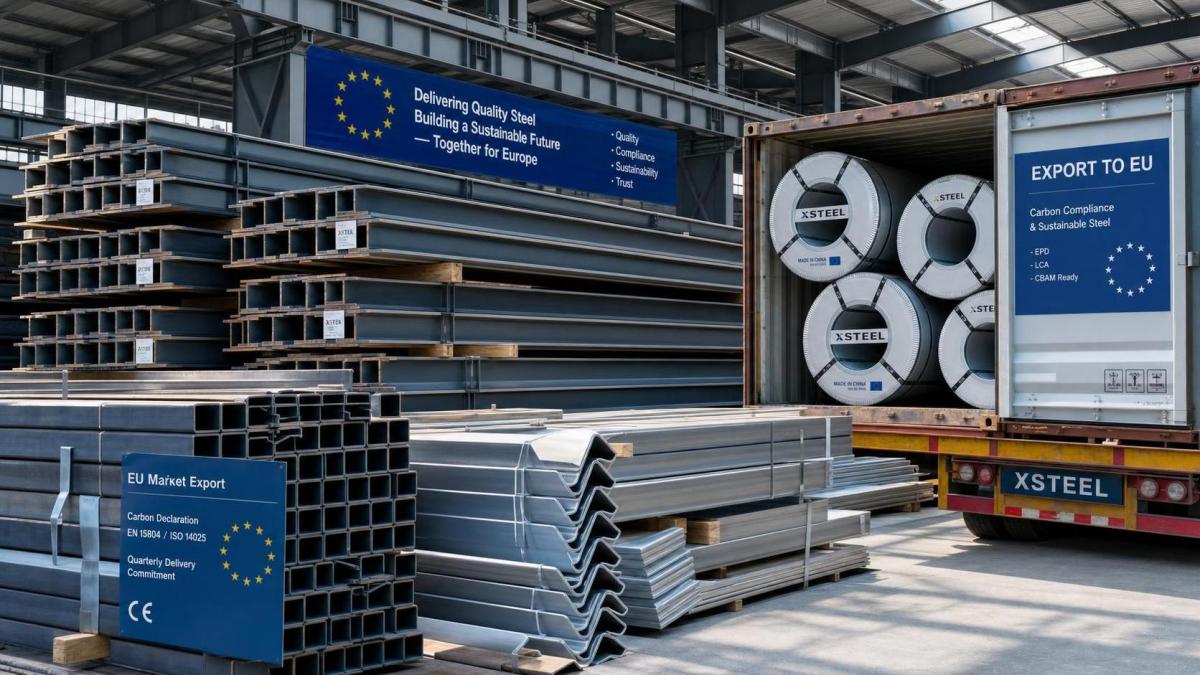
What Has Officially Taken Effect
According to the provided information, the EU has fully activated transitional-period data reporting obligations under the Carbon Border Adjustment Mechanism (CBAM) for steel products starting on August 1, 2026. The scope includes major export categories such as hot-rolled steel sections and cold-formed profiles.
Exporting companies are required to submit quarterly declarations through the CBAM portal. The required information includes embedded carbon emissions for the products concerned and the electricity source used in production. The provided information also states that non-compliant reporting may affect customs clearance and eligibility for market access.
Where the Immediate Business Pressure Appears
Export execution is becoming more document-driven
Direct trading companies are likely to feel the first impact because the new requirement is tied to quarterly reporting through the CBAM portal. From an industry perspective, the issue is not limited to filing itself; it also reaches shipment rhythm, document readiness, and coordination around EU-bound orders.
Manufacturing data is moving closer to the transaction front end
For processors and manufacturers of steel sections and profiles, the reporting obligation means product-level embedded carbon data and production electricity-source information now matter more directly in export execution. Analysis shows that production-side data preparation may become more tightly linked to sales fulfillment and external reporting timelines.
Supply chain and service providers may face tighter coordination demands
Supply chain service participants, including parties involved in export documentation and delivery coordination, may also be affected. Observably, if reporting is incomplete or inconsistent, the pressure can shift downstream into customs handling, shipment scheduling, and communication with EU-side customers or counterparties.
EU-facing customers and buyers may adjust cooperation requirements
Buyers and customer-facing commercial teams are also within the impact range. Based on the provided information, certification cost and cooperation models are directly affected, which suggests that customer communication, data-sharing expectations, and transaction conditions may become more detailed in EU-related business.
What Companies Should Watch Now
Quarterly reporting readiness
What deserves closer attention is whether internal processes are ready for recurring quarterly submissions through the CBAM portal. The practical issue is not only whether data exists, but whether it can be organized and submitted in a form that supports ongoing export activity.
Coverage of key product categories
Companies involved in hot-rolled sections, cold-formed profiles, and other EU-bound steel product lines should review which shipments and contracts fall within the stated reporting scope. This matters because the compliance requirement is tied to specific export categories rather than being a general discussion about sustainability.
Consistency of carbon and electricity-source records
Analysis shows that embedded carbon data and electricity-source information will become central supporting materials in EU business. Firms should pay close attention to how these records are prepared, checked, and aligned across production, export, and customer communication functions.
Delivery planning and client communication
Because non-compliant reporting may influence customs clearance and market access, companies should closely monitor how reporting timelines interact with shipment plans and customer commitments. In operational terms, this makes lead-time planning and expectation management more important in EU-facing orders.
Why This Looks Like More Than a Routine Filing Change
Observably, this development should not be read only as an administrative update. It links compliance data directly to the movement of goods into the EU market. Analysis shows that the immediate significance lies in execution risk: reporting quality may now affect whether exports proceed smoothly, how much coordination is required, and how costs are handled in customer relationships.
It is more appropriate to understand this as both a short-term operational change and a longer-term signal. The short-term change is the start of concrete reporting obligations for relevant steel exports. The longer-term signal is that carbon-related product information is moving closer to the center of trade qualification and commercial cooperation in the EU market. Even so, subsequent interpretation should remain cautious and tied to further verified disclosures.
How the Market May Best Read This Stage
At this stage, the clearest industry meaning is that EU-bound steel and profile exports from China are entering a more data-dependent compliance environment. The confirmed facts already point to possible effects on customs clearance, access eligibility, delivery pace, certification cost, and cooperation models. A neutral reading is that this is not yet a complete picture of all downstream consequences, but it is already a concrete operating condition for affected exporters.
For that reason, it is more appropriate to understand the news as an active regulatory signal with immediate execution implications, while still treating broader market outcomes as something that requires continued observation rather than fixed conclusions.
Basis of This Article and What Still Needs Verification
This article is based on the user-provided news title, event date, and event summary. For this type of development, commonly relevant source categories may include official announcements, company disclosures, industry association updates, authoritative media reporting, and standard-setting or regulatory documents.
No specific official source link was provided in the input, so the precise official document trail still needs to be continuously verified. Follow-up attention should remain on any later official clarifications, implementation wording, and practical reporting requirements affecting steel exporters, profile manufacturers, and EU-facing supply chain coordination.

Fill in the information
NOW.
Our staff will contact you as soon as possible