
NEWS CENTER
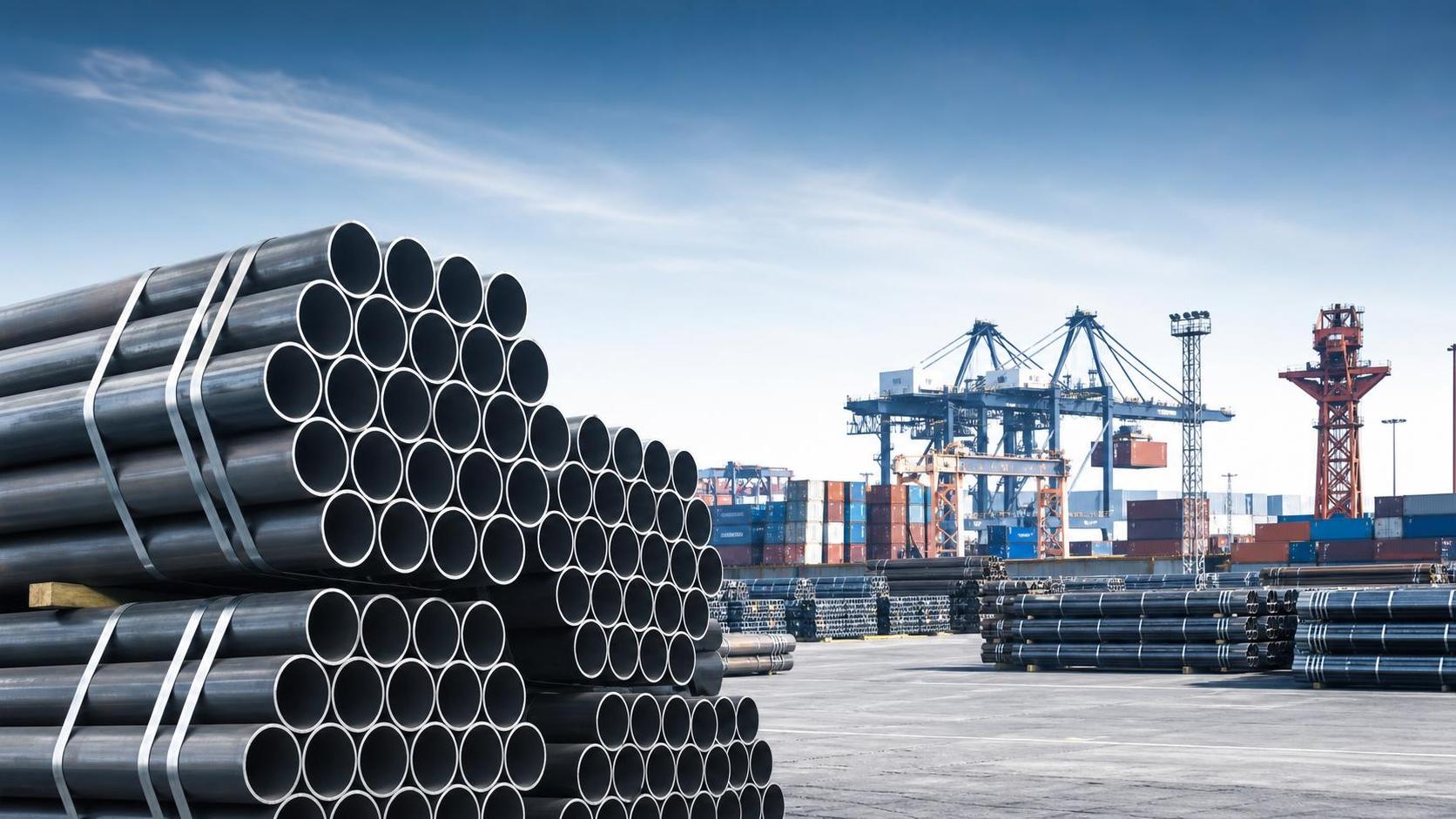
On August 1, 2026, the U.S. Department of Commerce formally opened the first Sunset Review of the anti-dumping duty order on carbon steel welded pipe from China under HS 7306.30 and confirmed that the current duty rates, reaching as high as 122.74%, will remain in place. For companies involved in construction, energy, and infrastructure supply chains, this matters less as a headline event and more as a live trade-rule signal that can affect sourcing decisions, customs preparation, delivery planning, and supplier substitution assessments over the coming five years.
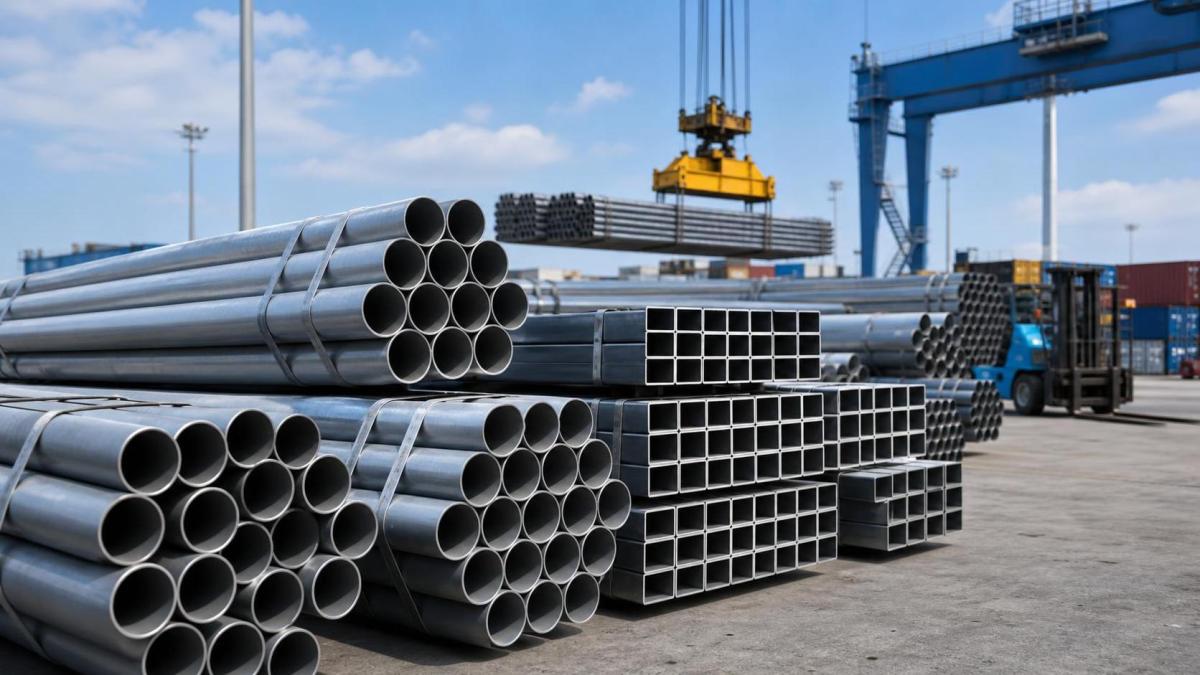
What the Announcement Confirms
The confirmed facts are limited but commercially significant. The U.S. Department of Commerce announced on August 1, 2026 that it had initiated the first Sunset Review of the anti-dumping duty order covering carbon steel welded pipe originating in China, classified under HS 7306.30. The notice also indicates that the existing duty rates will continue to apply, with the highest rate reaching 122.74%.
The event directly concerns welded pipe products used in construction, energy, and infrastructure applications. The provided information also makes clear that the review is expected to affect import purchasing decisions in the United States, customs compliance preparation, and evaluation of alternative supply-chain arrangements during the next five years.
Where the Trade Impact Is Likely to Be Felt First
Import purchasing will face a narrower operating range
From an industry perspective, U.S. importers and procurement teams are likely to feel the most immediate effect because the continuation of existing duty rates changes the commercial basis for sourcing covered products. The main pressure points are likely to appear in supplier selection, landed-cost calculations, and the review of whether existing purchase plans remain workable under current trade conditions.
Customs and documentation teams will need closer file control
For companies handling clearance and trade compliance, the issue is not only price but also process discipline. What deserves closer attention is whether product classification, origin records, contract documentation, and shipment files are prepared consistently with the current trade treatment of HS 7306.30 goods. Even where no new execution detail has been provided, firms involved in customs preparation will need to track whether their internal documentation standards are sufficient for continued enforcement conditions.
Manufacturers and exporters may face pressure in delivery planning
For manufacturers, exporters, and channel partners tied to these welded pipe products, the likely impact sits in order visibility, delivery scheduling, and customer commitment management. Analysis shows that when a duty regime remains in place at high rates, counterparties may revisit forecast volumes, delivery timing, and replacement sourcing options, especially for products linked to building, energy, and infrastructure demand.
Supply-chain service providers may see more substitution assessments
Logistics, sourcing support, and broader supply-chain service providers may also be affected because customers are likely to review alternative sourcing paths and related execution risks. Observably, that does not by itself confirm a shift in trade flows, but it does indicate that route planning, vendor screening, and contract support work may become more compliance-sensitive in the affected product segment.
Practical Priorities for Companies Watching This Case
Recheck product scope and internal classification files
Companies trading or buying the affected pipe products should first review whether their goods clearly fall within the relevant HS 7306.30 category referenced in the provided information. This is not a conclusion about any individual shipment, but a practical compliance step to reduce uncertainty in purchasing, quotation, and customs preparation.
Track procurement assumptions against duty continuity
Analysis shows that procurement teams should not treat this development as a short-term headline only. Because the summary provided points to implications for the next five years, firms should revisit how duty continuity is reflected in budgeting, tender pricing, sourcing comparisons, and delivery commitments, especially where project-based demand depends on predictable pipe supply.
Prepare supporting documents for trade and project review
What deserves closer attention is the quality of supporting records around product specifications, commercial documents, technical files, and any bid or tender materials tied to covered welded pipe. The available facts do not provide new documentary rules, so this should be understood as a monitoring point rather than a confirmed new requirement. Even so, weak documentation can become a larger operational issue when trade measures remain in force.
Watch for follow-on signals rather than assume a final market outcome
Companies should continue monitoring official wording, implementation signals, and market-facing documents that may reflect how counterparties respond to the ongoing duty environment. This includes later changes in procurement language, supply qualification requirements, and project sourcing preferences. The current information supports vigilance, but not a fixed conclusion about how every buyer or supplier will react.
How This Development Is Best Read at This Stage
Observably, this development is best understood as an active enforcement and continuity signal rather than a standalone news item. The combination of a Sunset Review and the continuation of existing duty rates indicates that affected market participants cannot assume a near-term easing of trade conditions for the covered products. At the same time, the information provided does not establish any broader shift beyond this measure, so interpretation should remain disciplined.
From an industry perspective, the most useful reading is that compliance, procurement, and supply-chain teams should keep this case on their operating agenda. It is more appropriate to understand this as a rule-based market signal that has already entered practical decision-making, while some downstream commercial responses still need to be observed through execution and market feedback.
What the Market Should Take From It Now
The significance of this update lies in its direct effect on trade planning for carbon steel welded pipe tied to construction, energy, and infrastructure use. It does not by itself answer every question about future sourcing behavior, but it clearly reinforces that existing anti-dumping exposure remains a live factor in purchasing, customs readiness, and supplier evaluation.
For now, the most balanced conclusion is that this should be read as a confirmed continuation of an existing trade constraint, with real operating implications already visible in compliance and procurement planning, while later execution details and market reactions still deserve continued observation.
Basis of This Article and What Still Needs Verification
This article is based on the user-provided news title, event date, and event summary. For events of this type, source verification would typically involve official notices, regulatory agency releases, customs or trade authority information, industry association updates, standards-related documents, and reporting from established trade media. A specific official source link was not provided in the input, so the underlying announcement and any later interpretive materials still need to be checked on an ongoing basis.
Further observation should focus on any later policy detail, compliance interpretation, procurement language changes, tender-document adjustments, market feedback, and how affected companies actually implement sourcing and delivery decisions under the continued duty framework.

Fill in the information
NOW.
Our staff will contact you as soon as possible