
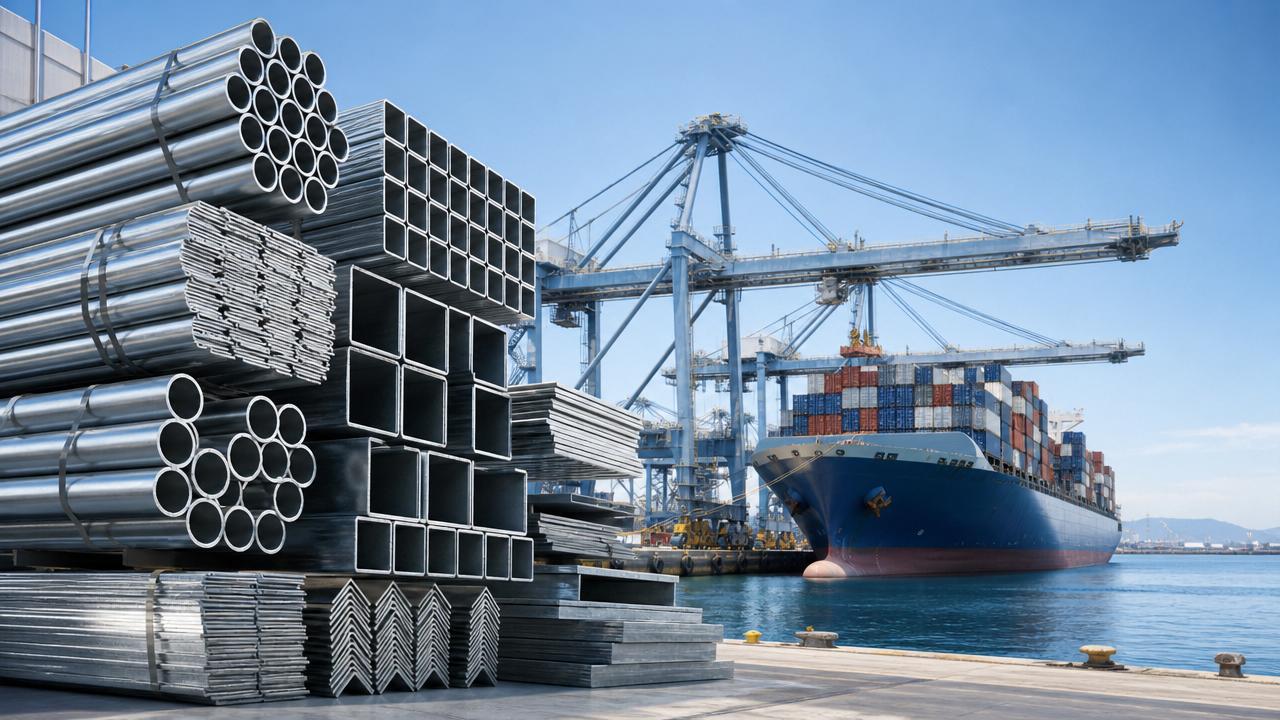
On June 1, 2026, a confirmed change in shipping rules took effect as the Suez Canal Authority raised vessel transit fees by 18%. Combined with the current normalization of Red Sea diversions, the change has pushed average Asia-Europe freight costs higher by USD 230 per TEU on 40-foot container movements, placing immediate pressure on logistics planning for Chinese steel and profile exports to the EU, the Middle East, and North Africa. For exporters, importers, and supply chain service providers, the issue is not only higher freight expense, but also how pricing, delivery commitments, and inventory decisions should be adjusted under a changed transport cost baseline.
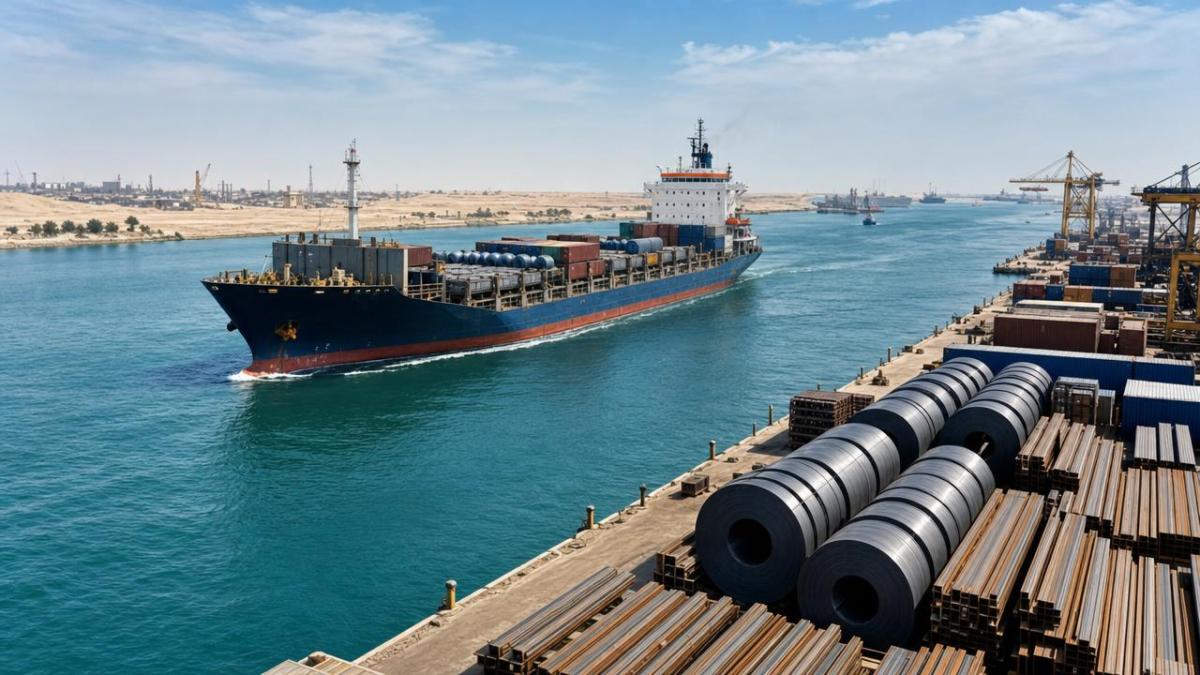
What Has Changed in the Shipping Cost Framework
According to the provided event information, the Suez Canal Authority officially increased vessel transit fees by 18% starting on June 1, 2026. At the same time, Red Sea rerouting has remained a normalized condition in the market. Against that backdrop, average freight costs on the Asia-Europe route have increased by USD 230 per TEU for 40-foot container shipments. The provided information also states that this change directly affects the logistics cost and timing of Chinese steel and profile exports to the EU, the Middle East, and North Africa, and that importers need to reassess quoted prices, delivery commitments, and inventory strategy.
Where the Pressure Appears Along the Trade Chain
Export quotations face a narrower margin buffer
From an industry perspective, exporters of steel and profile products are likely to feel the impact first in quotation management and shipment planning. When a confirmed canal fee increase is combined with already elevated route pressure, freight can no longer be treated as a stable background cost. What deserves closer attention is whether contract terms, freight assumptions, and shipment windows still align with the latest transport conditions.
Import-side procurement decisions become more sensitive
Analysis shows that buyers in destination markets may need to revisit procurement timing, accepted price ranges, and delivery expectations. The provided event summary already points to the need for importers to reassess procurement quotes, promised lead times, and stock planning. In practice, that means procurement teams should pay closer attention to how transport cost changes are reflected in purchase terms and delivery schedules.
Supply chain service providers may face tighter execution demands
Observably, logistics coordinators and related supply chain service providers are positioned between cost adjustments and customer delivery expectations. Their exposure is likely to center on shipment scheduling, document consistency, and communication around transit timing. While no new certification or documentation rule is confirmed in the provided facts, affected parties should still watch for any trade document, tender requirement, or delivery clause adjustment linked to longer or more expensive routing conditions.
What Companies Should Review Now
Recheck price validity and freight assumptions
Analysis shows that companies involved in steel and profile trade should review whether existing quotations, freight inclusions, and cost assumptions remain usable after June 1, 2026. This is particularly relevant where offers were made before the fee adjustment took effect.
Reassess delivery promises in contracts and bids
What deserves closer attention is the gap that can emerge between original delivery commitments and updated transport realities. Companies should examine whether contract language, bid documents, and customer-facing schedules still reflect a realistic logistics timeline under higher canal charges and continued rerouting conditions.
Review inventory and procurement rhythm
Observably, the provided event summary highlights inventory strategy as a practical area requiring adjustment. That makes stock planning, reorder timing, and shipment batching immediate review points for importers and downstream buyers that depend on predictable replenishment.
Track execution language and market feedback
Because the provided information confirms the fee increase and cost impact but does not provide detailed downstream implementation rules, companies should continue monitoring how this change is reflected in procurement documents, trade terms, service quotations, and market-side execution language rather than assuming a uniform response across all transactions.
Why This Matters Beyond a Freight Headline
This should be understood not merely as a shipping cost update, but as an execution signal for cross-border trade planning. Analysis shows that the practical significance lies in how a formal fee adjustment interacts with already altered routing conditions. For the steel and profile trade, the event is more appropriately understood as an already effective change in operating conditions, while the full market response in pricing discipline, lead-time management, and procurement behavior still requires continued observation.
How the Market Should Read This Development
At this stage, a measured reading is more appropriate than a dramatic one. The confirmed fact is that canal transit costs have risen and route pressure remains relevant, with a stated impact on freight cost and timing for affected exports. The broader industry meaning is that transport assumptions used in trade execution may need updating. It is more appropriate to understand this as a landed change in cost conditions, alongside a continuing need to watch how procurement practice, delivery commitments, and market feedback adjust in response.
Basis of This Article and What Still Needs Verification
This article is generated from the user-provided news title, event date, and event summary. For this type of development, relevant source categories typically include official notices, regulator releases, customs or trade authority information, industry association updates, standards-related documents, and reporting by authoritative media. No specific official source link was provided in the input, so any formal source reference still requires ongoing verification. Further observation is also needed on implementation details, market execution language, tender document changes, trade practice adjustments, and company-level response in affected supply chains.

Fill in the information
NOW.
Our staff will contact you as soon as possible