
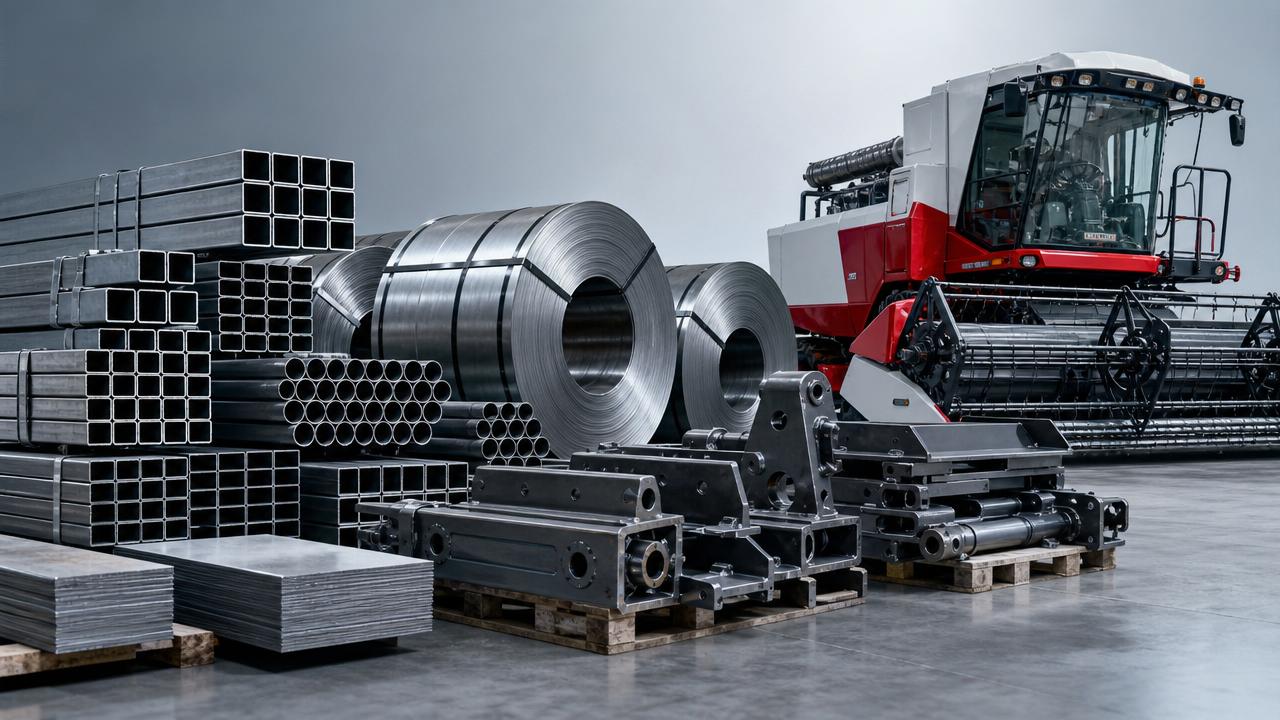
Effective June 8, 2026, the United States is lowering the tariff rate on steel and aluminum content used in certain agricultural machinery from 25% to 15%, according to a White House notice issued on June 1. The change matters most to agricultural equipment exporters, structural component suppliers, OEM manufacturers, and system integrators serving the US market, because it may reduce compliance-related cost pressure and lower the pricing threshold for qualifying shipments through the end of 2027.
What the US adjustment confirms
The White House announced on June 1, 2026 that, starting June 8, tariffs on steel and aluminum content in agricultural machinery such as combine harvesters and harvesters will be reduced from 25% to 15%.
The measure remains in effect through the end of 2027. It explicitly applies to industrial equipment considered to be mainly made from US-origin steel and aluminum.
The rule also relaxes the threshold for being recognized as made with entirely US metal, lowering that benchmark from 95% to 85%.
Based on the information provided, this adjustment directly lowers the compliance cost and pricing barrier for Chinese exports of complete agricultural machinery and steel-structure components to the US market.
Where the impact is likely to be felt first
Exporters of complete agricultural machinery
From an industry perspective, exporters of combines, harvesters, and related machinery may feel the effect most directly because tariff treatment influences final landed cost and quotation flexibility. What deserves closer attention is whether existing product configurations and sourcing structures align with the updated coverage and threshold requirements.
Steel structure and fabricated component suppliers
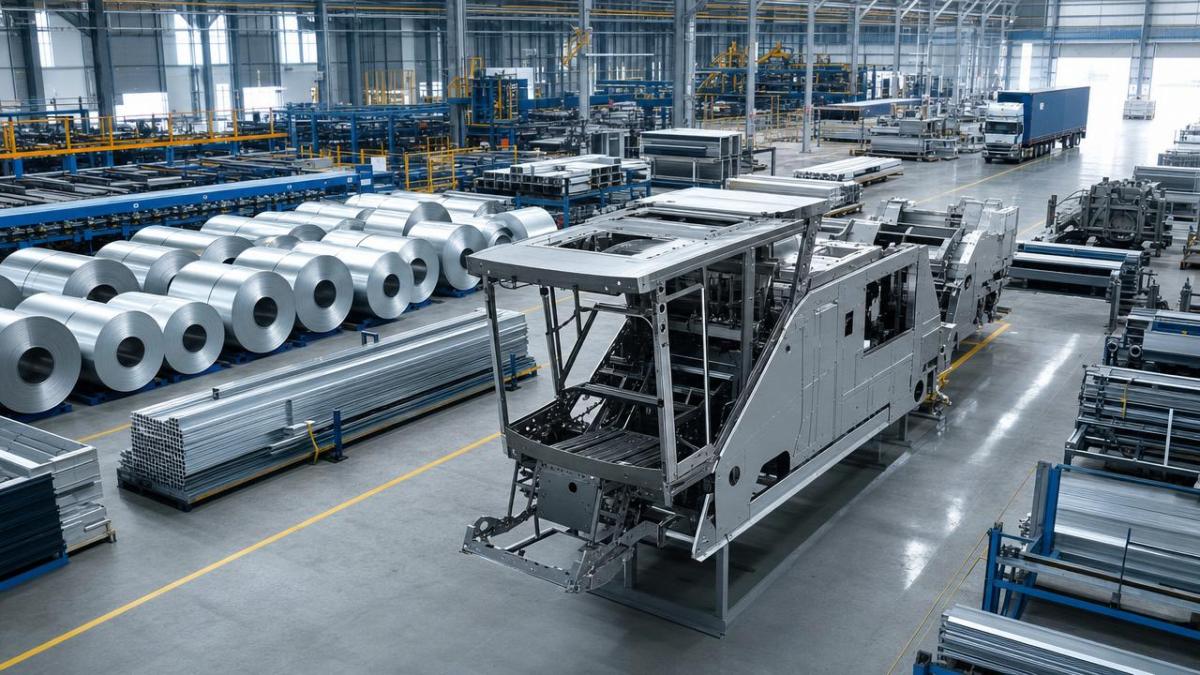
Analysis shows that suppliers of steel and aluminum-intensive parts may see a narrower cost gap in US-bound business if their products sit within the covered equipment chain. The practical impact is likely to center on documentation, material traceability, and coordination with downstream OEM customers.
Certified OEMs and system integrators
For Chinese profile processors, agricultural machinery OEMs, and system integrators that already hold UL, ASME, or ANSI-related certifications, the policy may open a short-term commercial window. Observably, the advantage is less about marketing and more about readiness: companies that can match certification status with compliant delivery records may respond faster to customer inquiries and orders.
Supply chain and trade service providers
Service providers involved in customs, compliance support, sourcing coordination, and shipment execution may also be affected. Their role becomes more important where customers need clearer interpretation of product scope, supporting documents, and delivery timing under the revised tariff rules.
What companies should watch in the near term
Track the exact wording of implementation rules
Analysis shows that the announced rate cut and the relaxed 85% threshold are commercially meaningful only if companies can map them accurately to product classification, materials content, and transaction documents. Businesses should pay close attention to any follow-up official wording that clarifies how the coverage is applied in practice.
Check whether key product lines truly qualify
What deserves closer attention is the difference between a favorable policy signal and actual eligibility. Exporters, component makers, and integrators should review whether their machinery or structural parts fall within the stated equipment scope and whether their metal sourcing profile can support qualification under the revised standard.
Prepare supporting materials for customers and shipments
Observably, the near-term opportunity is likely to favor companies that can respond with complete supporting materials rather than those relying only on lower quoted prices. Supplier qualifications, certification records, materials declarations, and shipment-related documents may become central in customer communication and order conversion.
Align delivery plans with the temporary window
The measure is stated to remain valid through the end of 2027, which gives it a defined timeframe. From an operational perspective, companies may need to align procurement, production scheduling, and delivery commitments with that window while remaining alert to later policy updates.
Why this looks more like a window than a final trend
Analysis shows that this development is better understood as a time-bound policy adjustment than as a fully settled long-term shift. The confirmed facts point to a clear reduction in tariff burden for covered agricultural machinery and related components, but they do not by themselves guarantee sustained volume growth, broader sector expansion, or unchanged implementation conditions.
From an industry perspective, the key signal is that compliance structure now matters even more. Companies that already meet relevant certification expectations and can support product eligibility with documentation may be in a stronger position to capture short-cycle export opportunities. At the same time, the market still needs to watch how the rules are interpreted and applied in actual transactions.
How to read the current signal
At this stage, the policy is meaningful because it lowers a defined cost burden and eases a key threshold for covered equipment entering the US market. For Chinese agricultural machinery exporters and related component suppliers, it is more appropriate to understand this as a short-term tariff window with practical business value, rather than as a complete reset of trade conditions.
A neutral reading is that the announcement creates room for faster quotation, compliance planning, and customer engagement in selected product categories. Whether that room translates into durable business gains will still depend on qualification details, execution discipline, and any further official clarification.
Basis of this article and points for follow-up
This article is based on the user-provided news title, event date, and event summary. For this type of development, commonly relevant source categories include official government notices, company disclosures, industry association updates, authoritative media coverage, and standard-setting organization documents.
A specific official source link was not provided in the input, so the exact text and any subsequent clarification still require ongoing verification. Follow-up attention should focus on later official wording, implementation details for covered equipment, and any changes affecting qualification, documentation, or execution in cross-border shipments.

Fill in the information
NOW.
Our staff will contact you as soon as possible