
NEWS CENTER
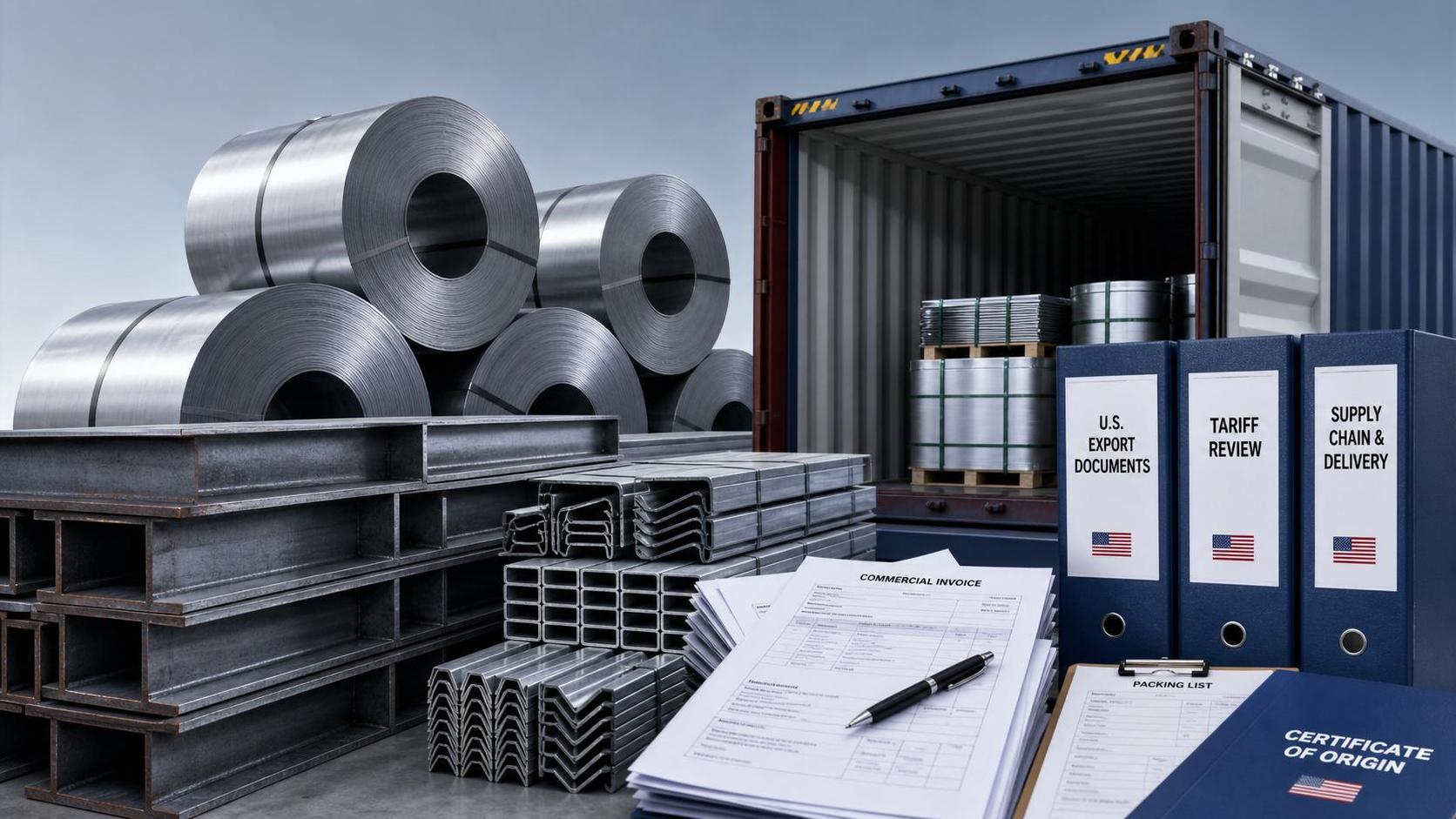
On June 29, 2026, the U.S. Department of Commerce announced the start of an anti-dumping duty review covering hot-rolled steel coil from China, including HS 7208.51 and 7208.52. With a preliminary adjustment plan for added duty rates expected by July 15, this development deserves close attention from exporters to the U.S. whose products contain hot-rolled substrate, especially suppliers of structural sections, cold-formed sections, and further-processed steel products. The issue is not limited to trade policy wording; it directly connects to upstream material cost exposure and delivery compliance in active export business.
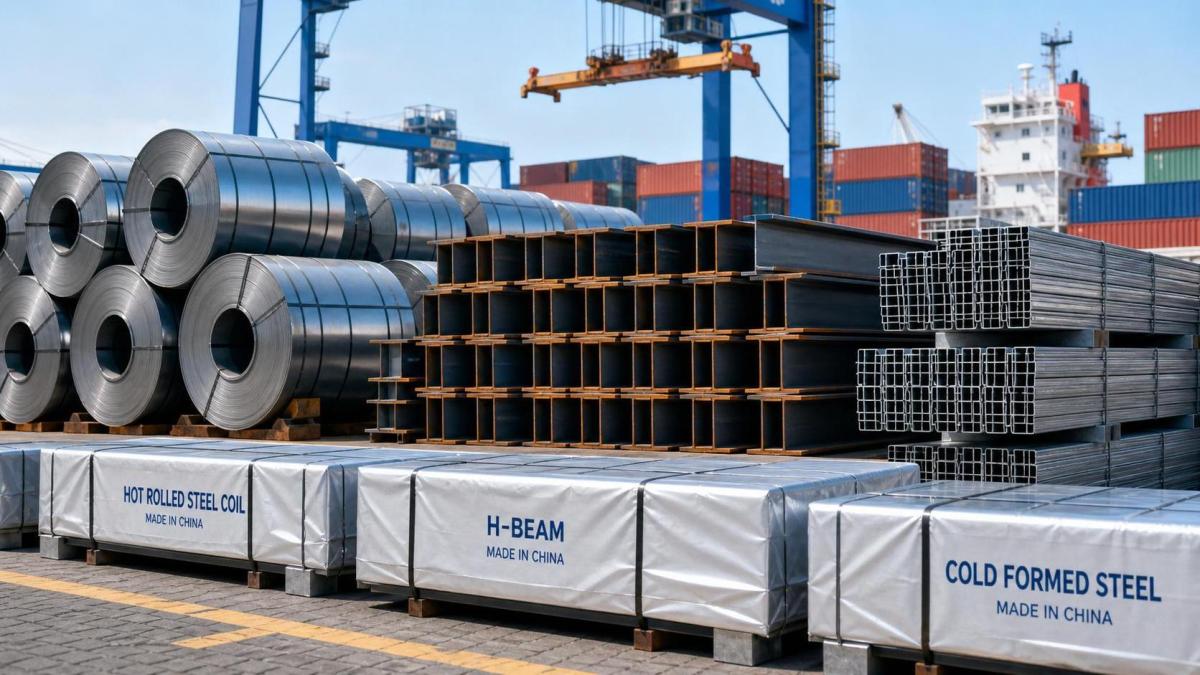
What has been formally announced
The confirmed fact is that the U.S. Department of Commerce issued a notice on June 29, 2026 to open a review procedure under the anti-dumping duty order on Chinese hot-rolled steel coil. The products referenced include HS 7208.51 and 7208.52, among others. Based on the information provided, a preliminary proposal on adjusted additional duty rates is expected before July 15, 2026. The review is described as directly affecting import cost and compliance requirements for upstream material used in section-related products exported to the U.S.
The scope of immediate relevance includes suppliers shipping to the U.S. products made with hot-rolled base material, including structural steel sections, cold-formed sections, and processed downstream items. At this stage, the confirmed development is the launch of the review and the expected timing for a preliminary rate adjustment proposal.
Where the pressure may appear along the supply chain
Exporters using hot-rolled substrate in U.S.-bound orders
From an industry perspective, this group is the most directly exposed because the review concerns the core material embedded in their exported products. The possible impact is concentrated in quotation logic, order confirmation, and landed-cost calculations. What deserves closer attention is whether existing and upcoming shipments to the U.S. involve product lines whose pricing or compliance files depend on the reviewed material categories.
Purchasing and sourcing teams tied to section products
Analysis shows that procurement functions may be affected even before any final rate outcome is known. The reason is simple: when a reviewed upstream material sits inside exported products, sourcing decisions, cost assumptions, and supplier coordination can all come under pressure. The practical concern is not only raw material cost, but also whether procurement records and product classifications remain consistent with customer and customs-facing documentation.
Processors and fabricators serving U.S. delivery schedules
For manufacturers of structural sections, cold-formed sections, and further-processed steel products, the issue may show up in delivery planning and contract execution. Observably, when a policy review touches a basic input material, processing businesses may need to recheck product mapping, shipment timing, and document readiness. The closer the delivery window is to the expected preliminary rate adjustment period, the more attention operations teams may need to give to execution risk.
Supply chain and compliance service providers
Logistics, customs, and trade compliance service providers may also face a more demanding review environment. Their role becomes important because the development is explicitly linked to delivery compliance. What deserves closer attention is whether clients exporting relevant products to the U.S. have a clear internal understanding of material usage, applicable classifications, and supporting documents for ongoing shipments.
What companies should monitor now
Track the next official wording carefully
The immediate practical focus is the expected preliminary duty adjustment plan before July 15, 2026. Companies should distinguish between the confirmed fact of the review launch and any later operational implications that may come from official follow-up language. In this phase, precision matters more than speed in interpretation.
Recheck product exposure by material base
Businesses shipping to the U.S. should identify which exported items contain hot-rolled steel coil within the referenced scope. This is particularly relevant for structural steel sections, cold-formed sections, and deep-processed products. The key point is to map exposure by product and shipment, rather than treating the announcement as a broad but undefined trade headline.
Prepare documents around compliance and delivery
Analysis shows that documentation readiness may matter as much as cost assessment. Companies should pay close attention to supplier records, product descriptions, classification consistency, and shipment files linked to U.S.-bound orders. This is a practical response to the stated compliance impact in the provided information.
Align customer communication with uncertainty levels
It is more appropriate to understand the current stage as a live policy process rather than a completed outcome. For that reason, customer and partner communication should separate confirmed facts, expected timing, and items still under observation. This helps reduce confusion in order discussions, delivery commitments, and internal planning.
Why this is a signal worth watching
Observably, this development should not yet be treated as a fully settled result, because the provided information points to a review launch and an expected preliminary adjustment plan, not a final completed outcome. At the same time, it is more than a routine headline for the steel trade. The reason is that the reviewed material sits upstream of multiple exported product categories, so the effect may travel beyond primary coil trade into processing, quoting, delivery, and compliance workflows.
From an industry perspective, this is best read as a near-term operational signal with broader implications still subject to further confirmation. The immediate business relevance is clear, while the full commercial effect still requires continued observation of official follow-up.
How to read the development at this stage
The industry significance of this announcement lies in its position between policy review and day-to-day execution. It directly touches cost assumptions and compliance preparation for companies exporting U.S.-bound products that rely on hot-rolled substrate. At the same time, the current information does not support broad conclusions beyond the announced review and the expected timing of a preliminary rate adjustment plan.
It is more appropriate to understand this as an active and material trade-policy development that requires close monitoring, disciplined internal review, and careful distinction between confirmed facts and later-stage outcomes.
Basis of this article and follow-up focus
This article is based on the user-provided news title, event date, and event summary regarding the U.S. Department of Commerce review of anti-dumping duties on Chinese hot-rolled steel coil. For this type of development, relevant source categories typically include official government notices, company disclosures, industry association updates, authoritative media reports, and trade or standards-related documentation.
A specific official source link was not provided in the input, so the exact source document still requires continued verification. The next point to watch is any official follow-up wording on the preliminary duty adjustment plan expected before July 15, 2026, and how that language may affect material scope, cost assessment, and delivery compliance in actual export operations.

Fill in the information
NOW.
Our staff will contact you as soon as possible